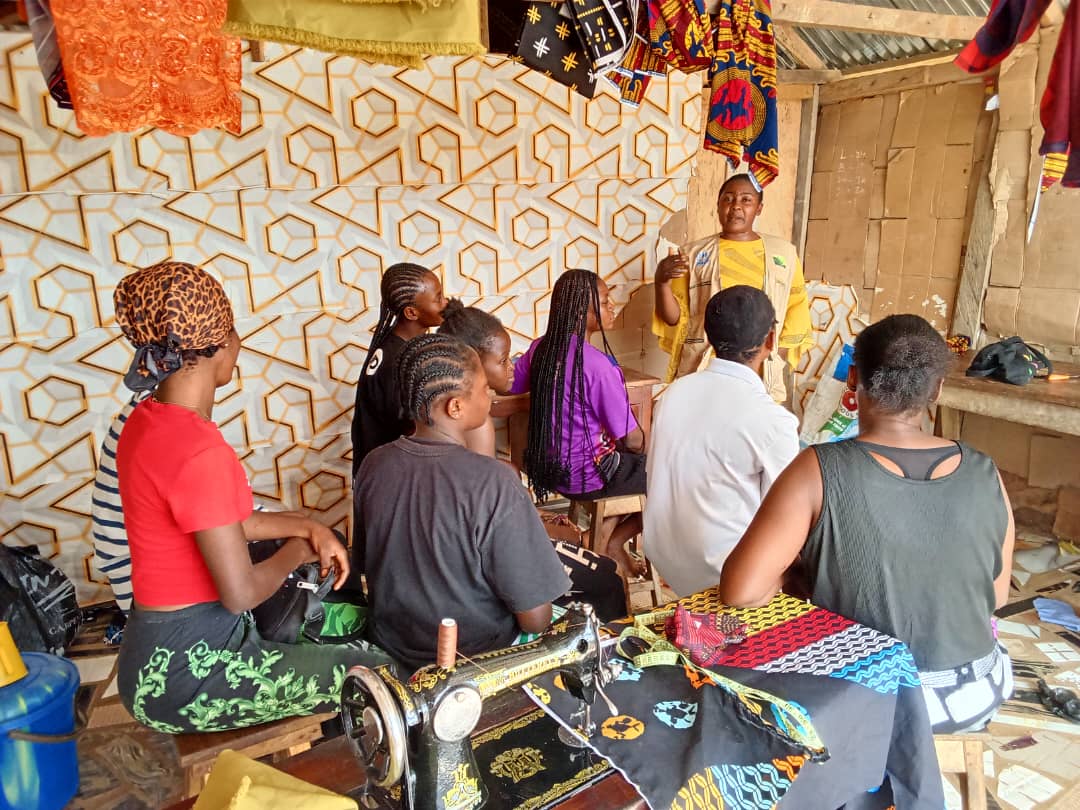
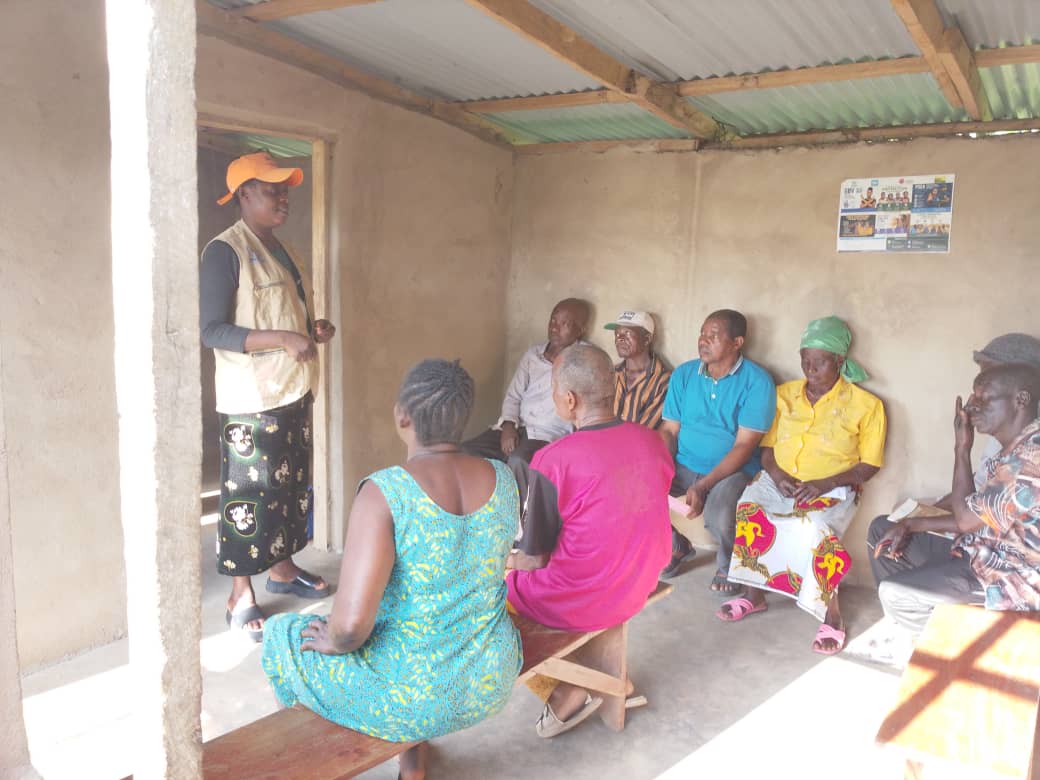
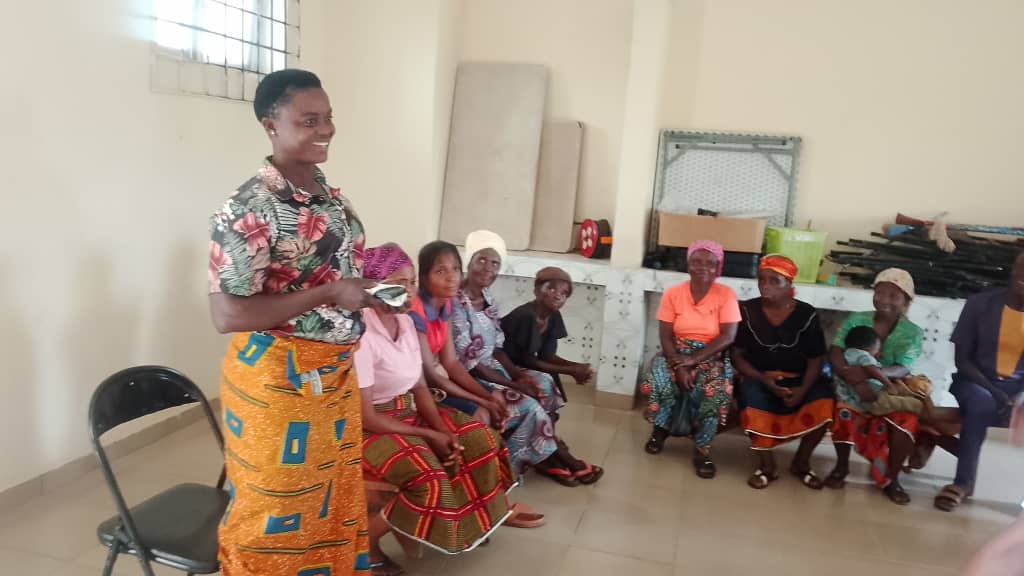
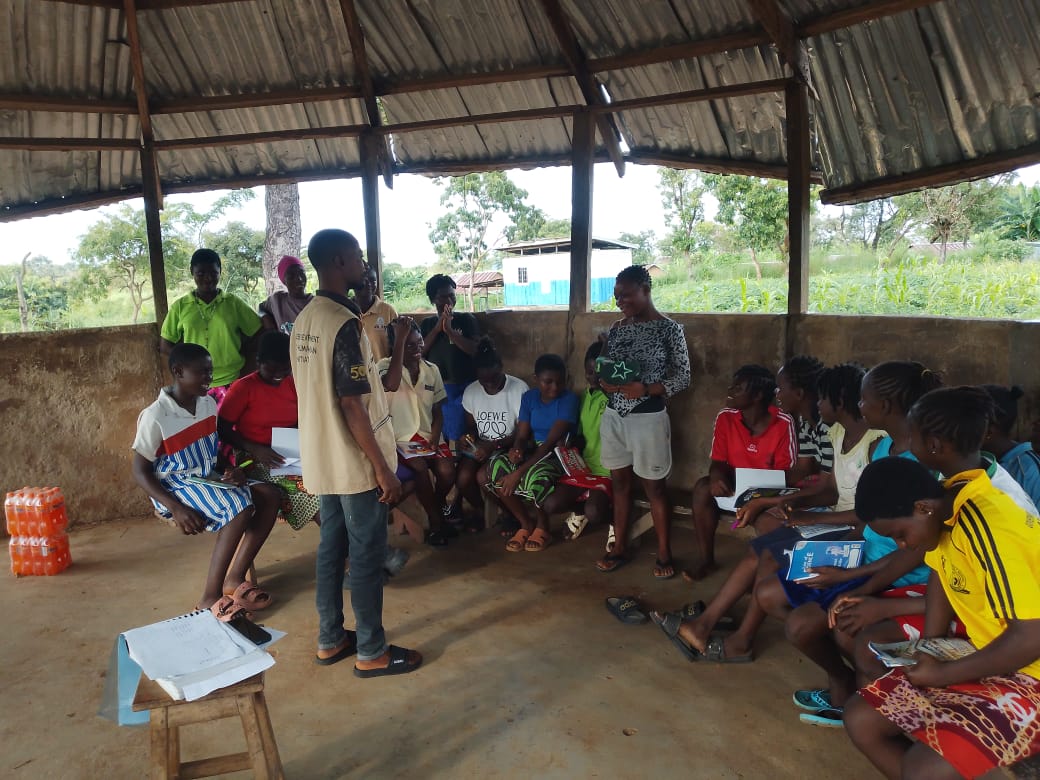
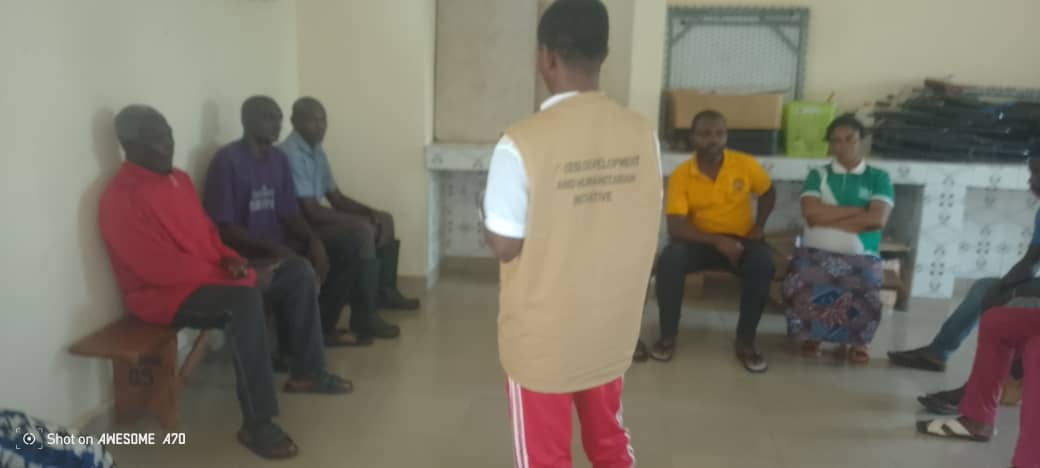
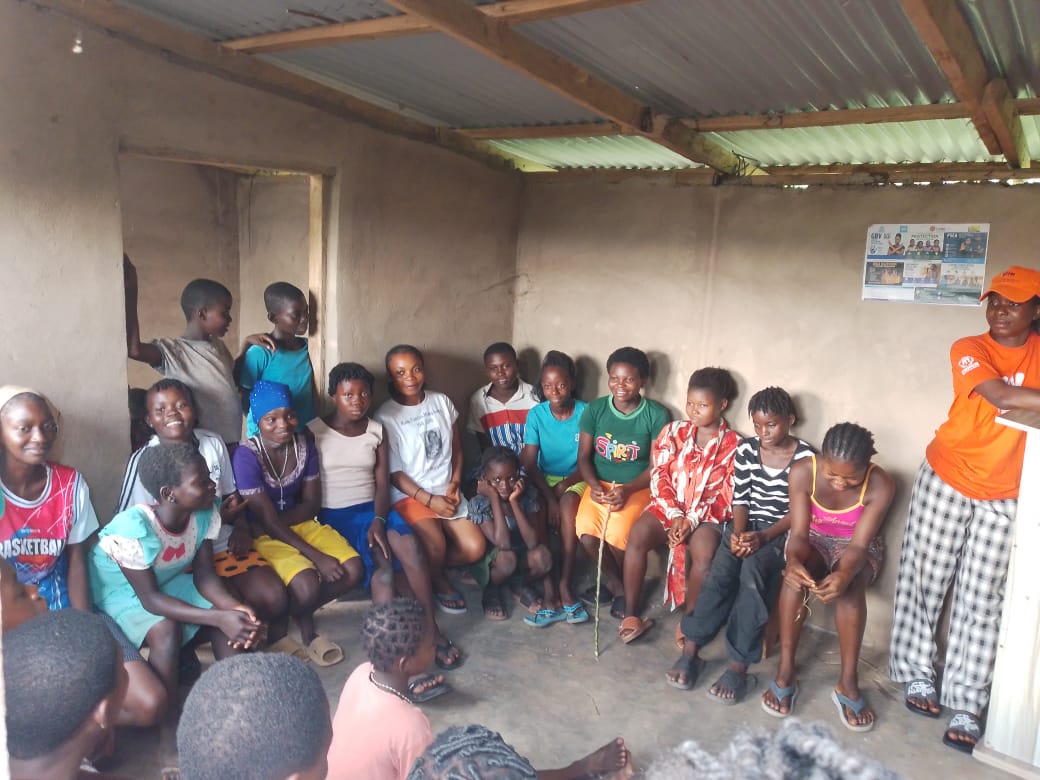
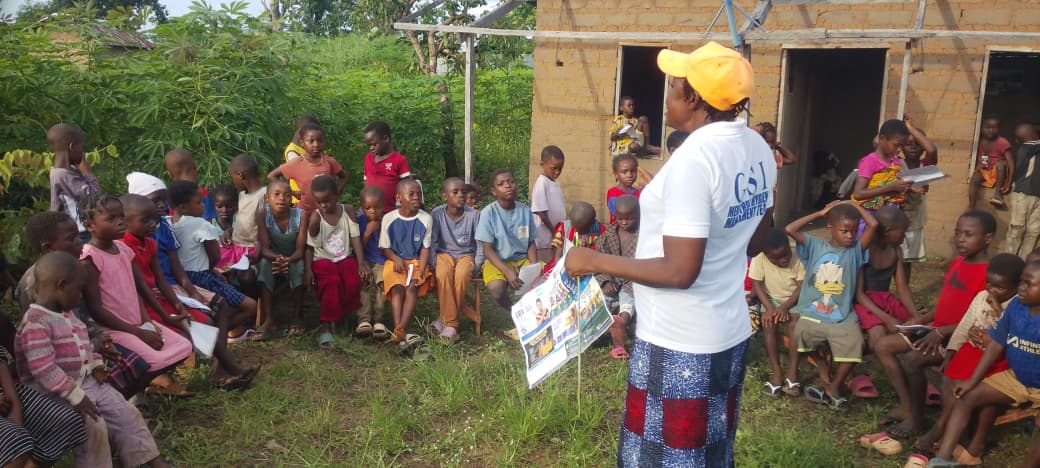
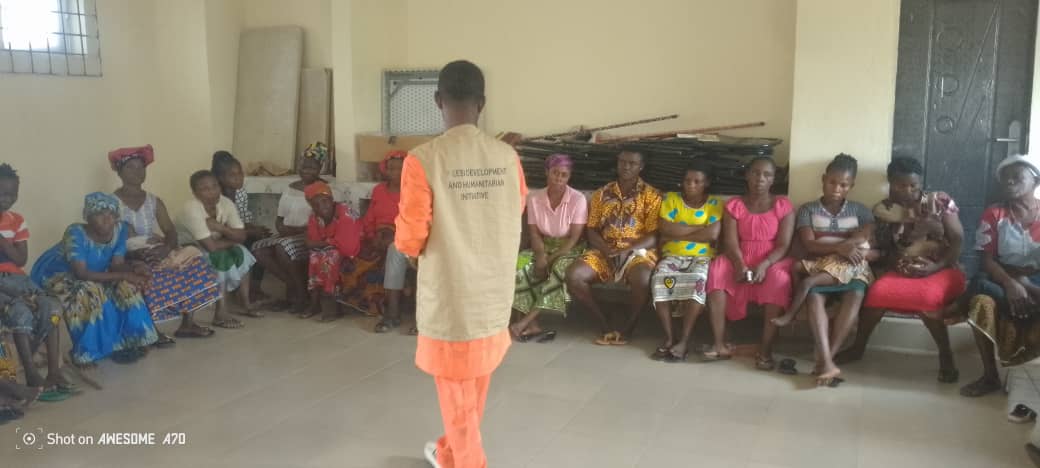
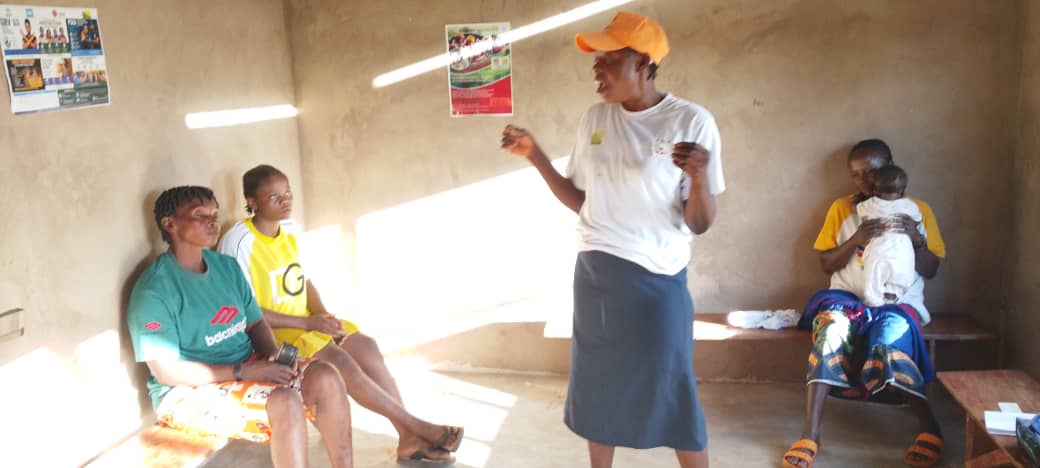
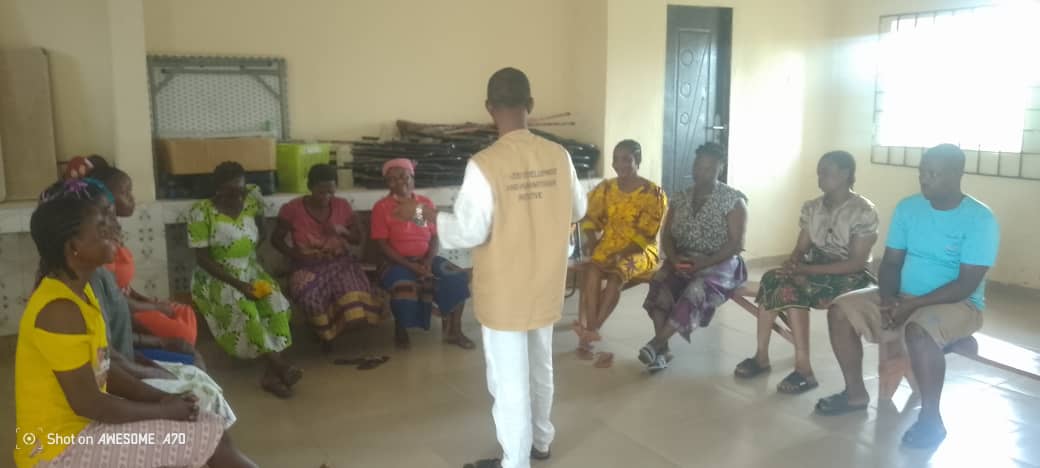
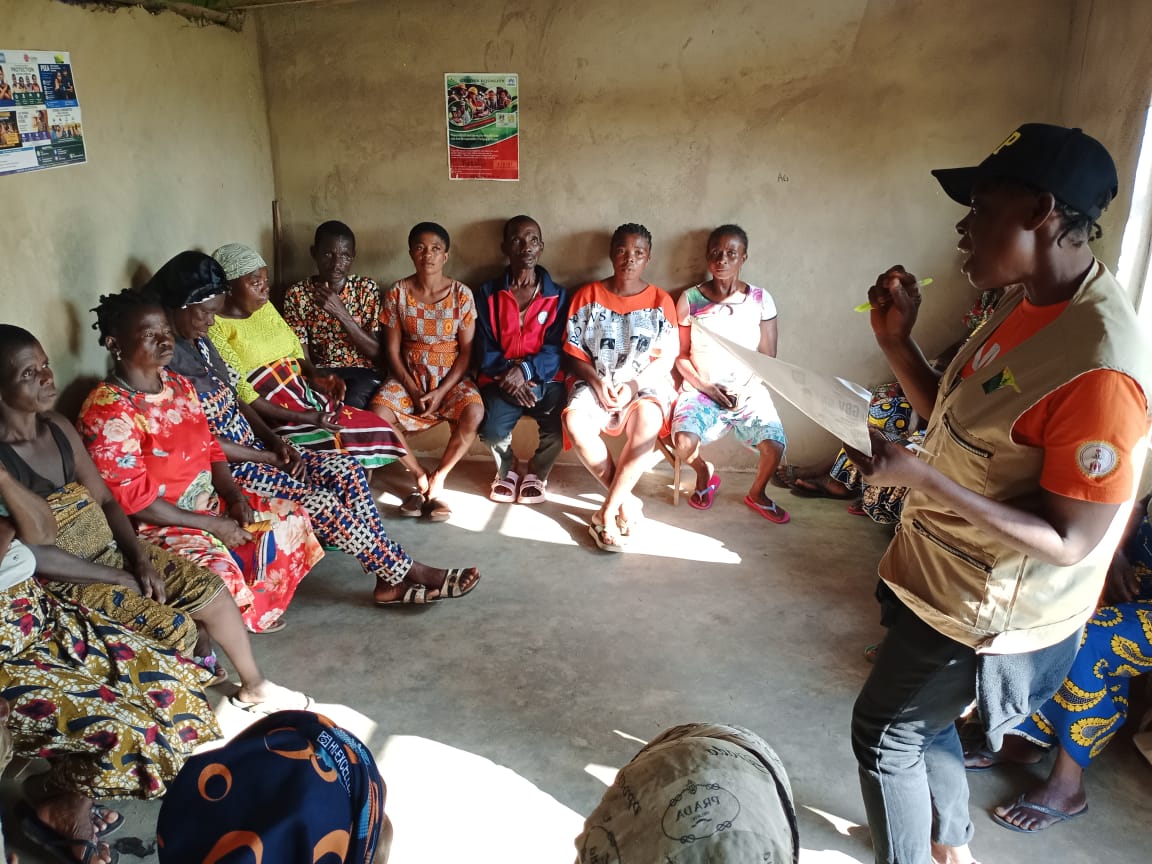
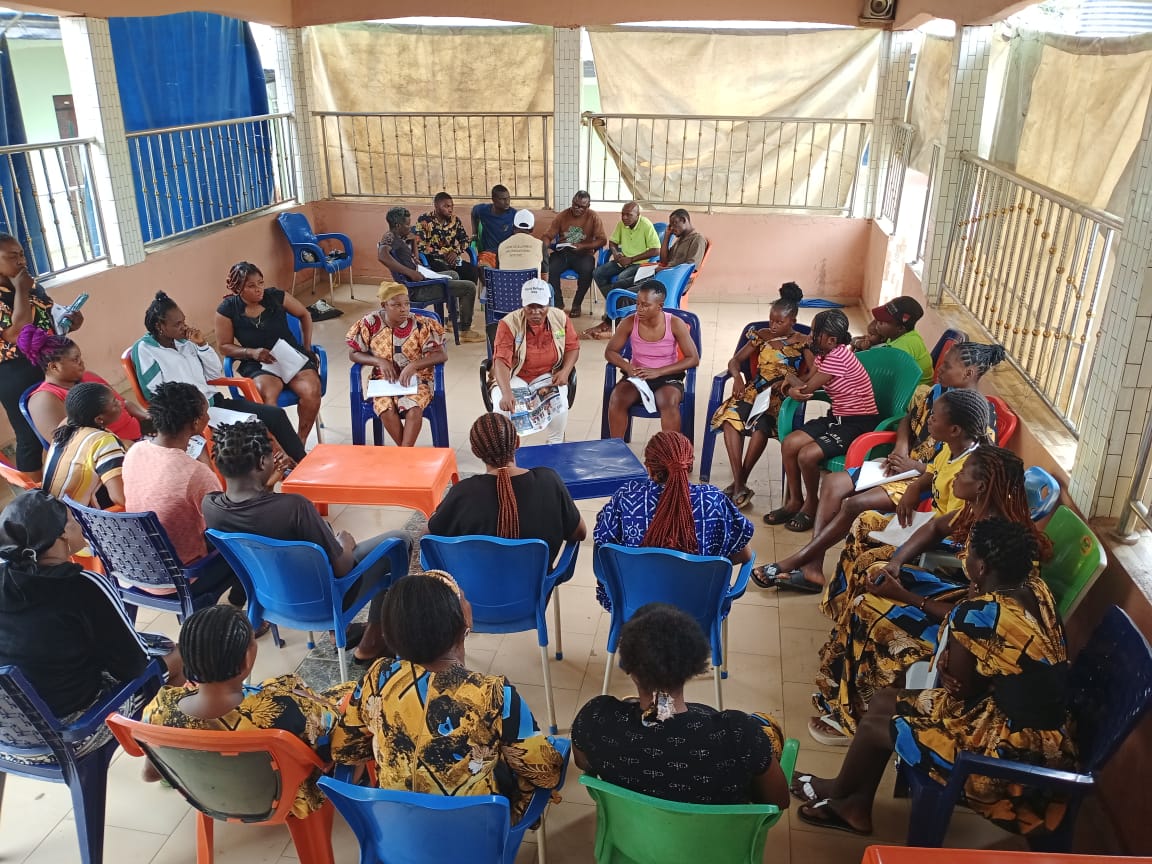
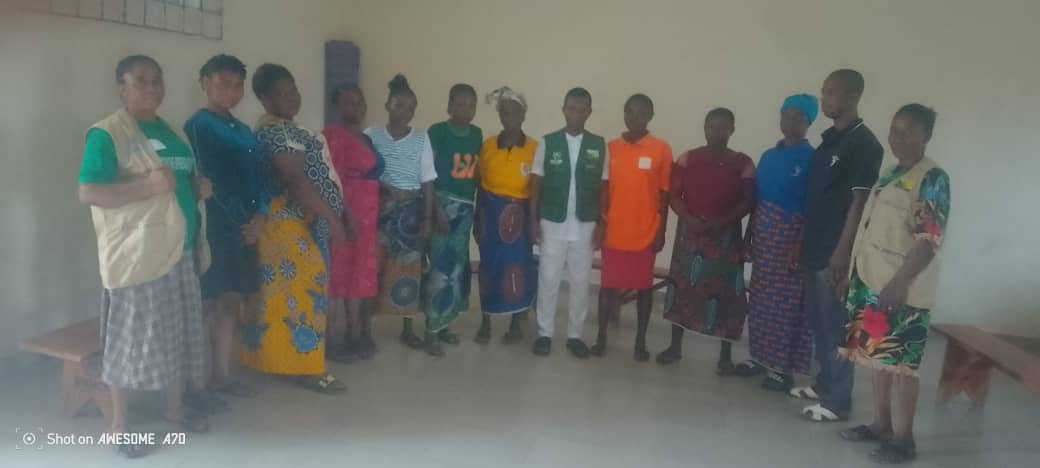
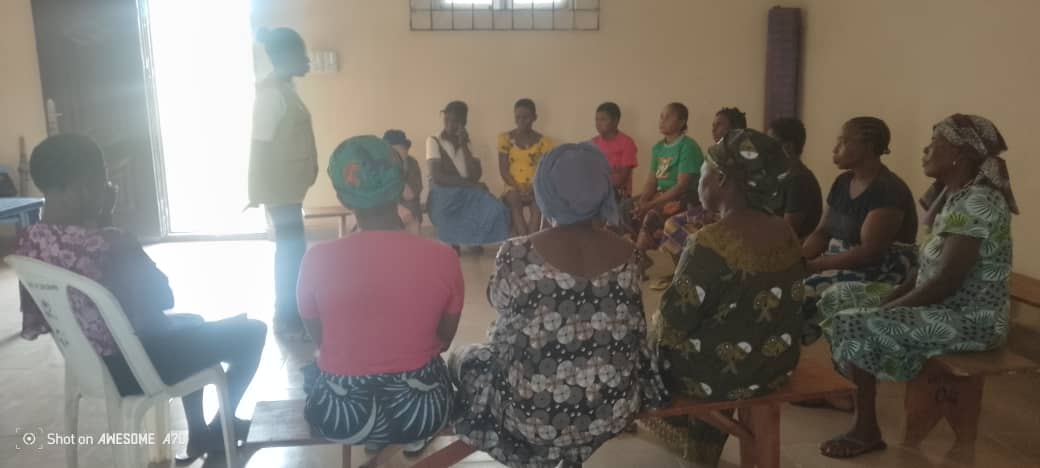
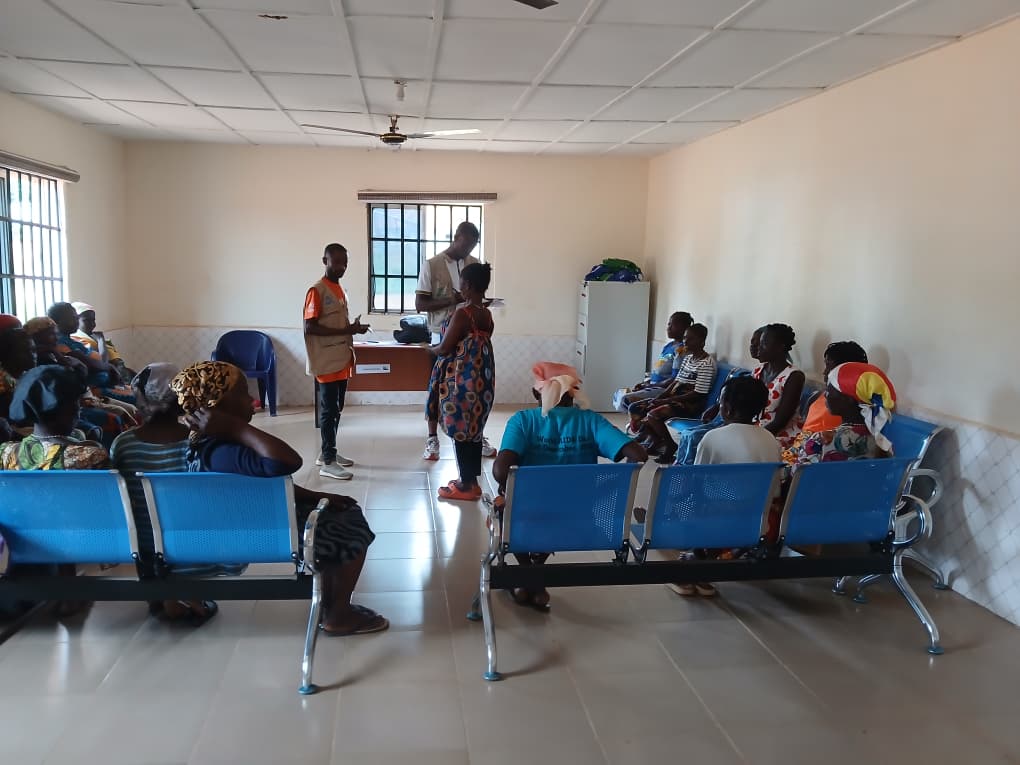
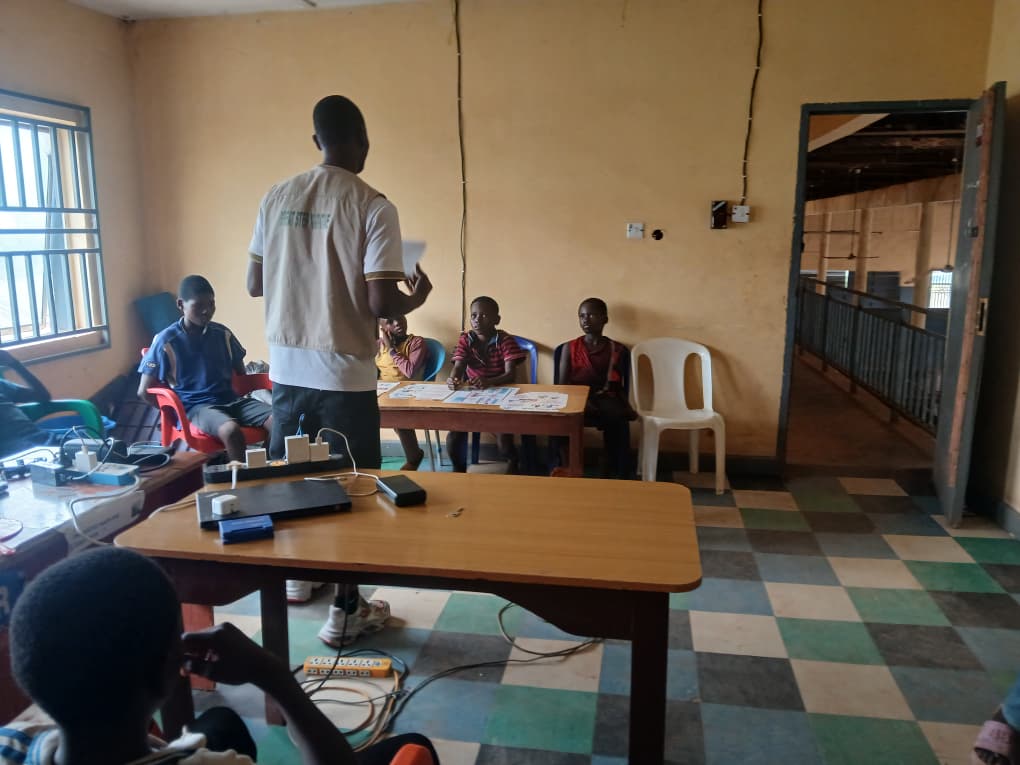
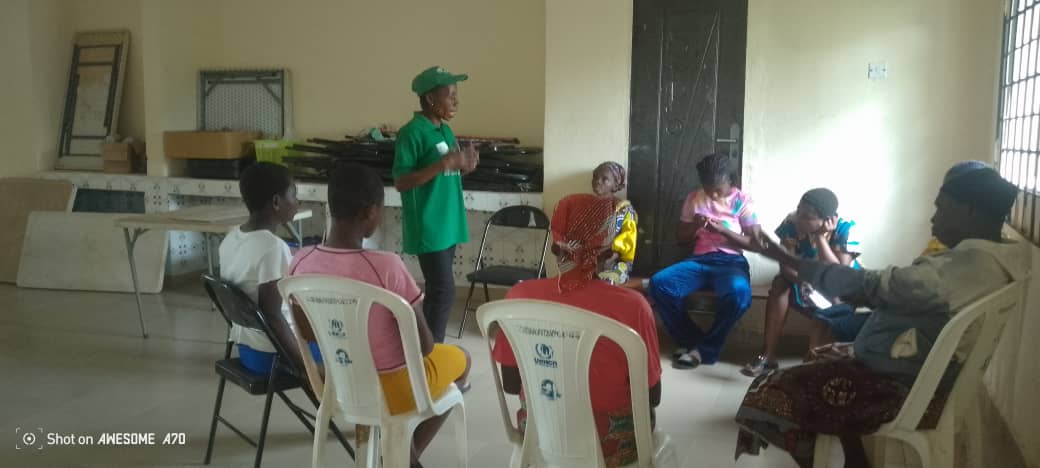
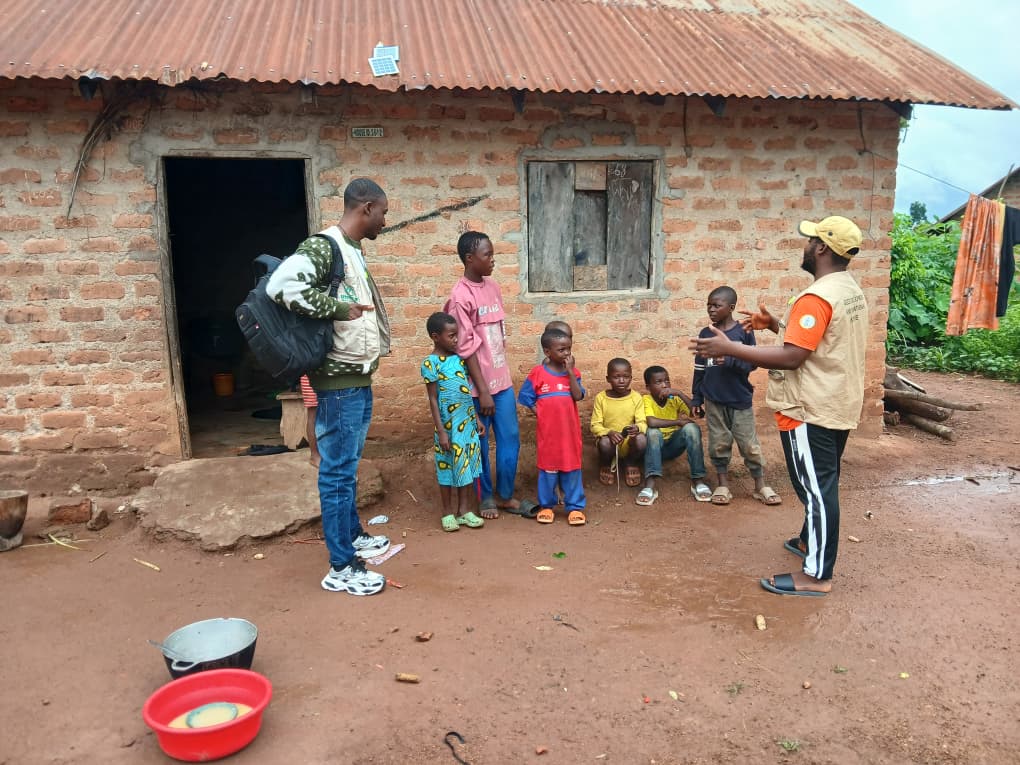
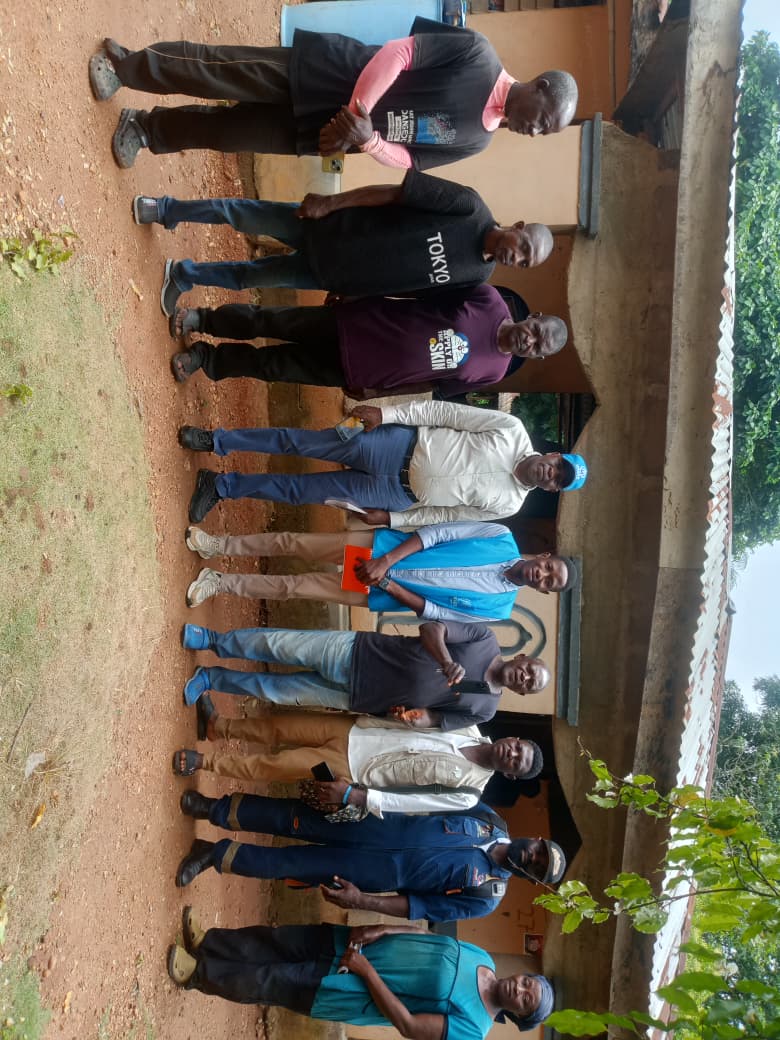
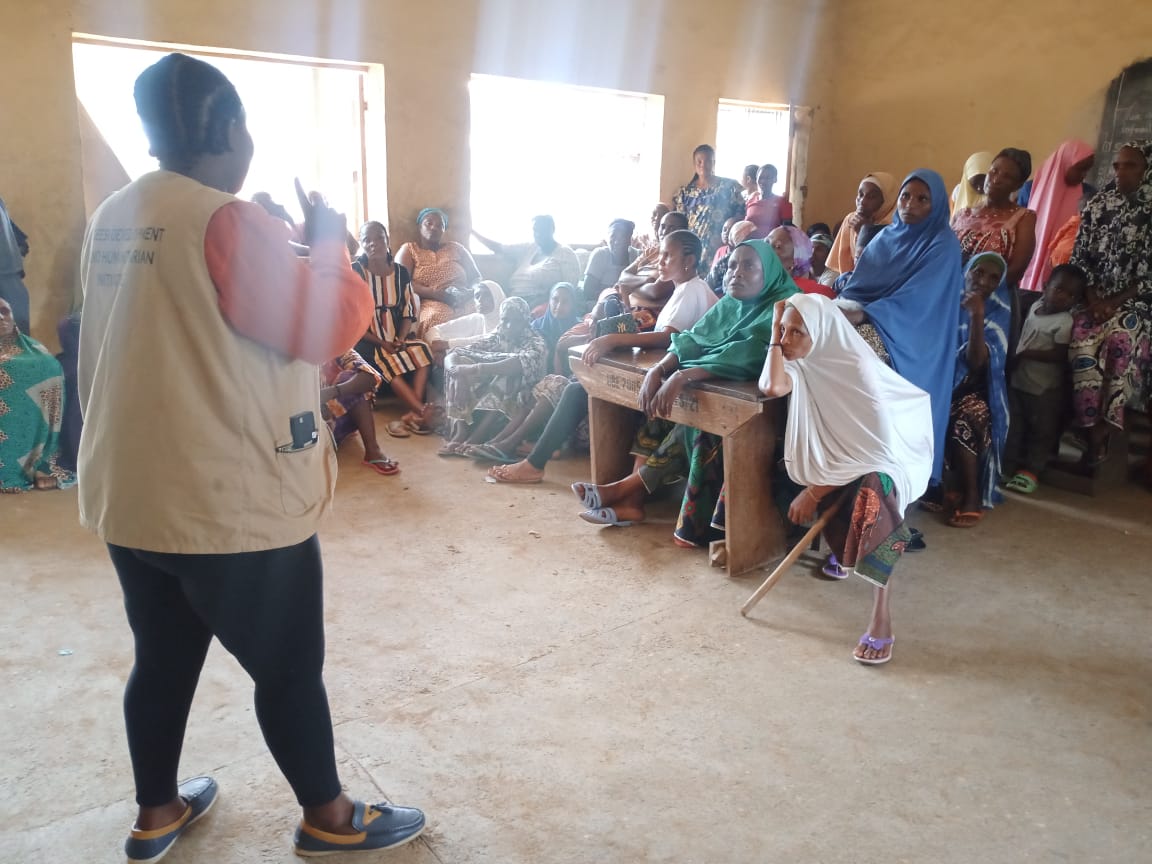
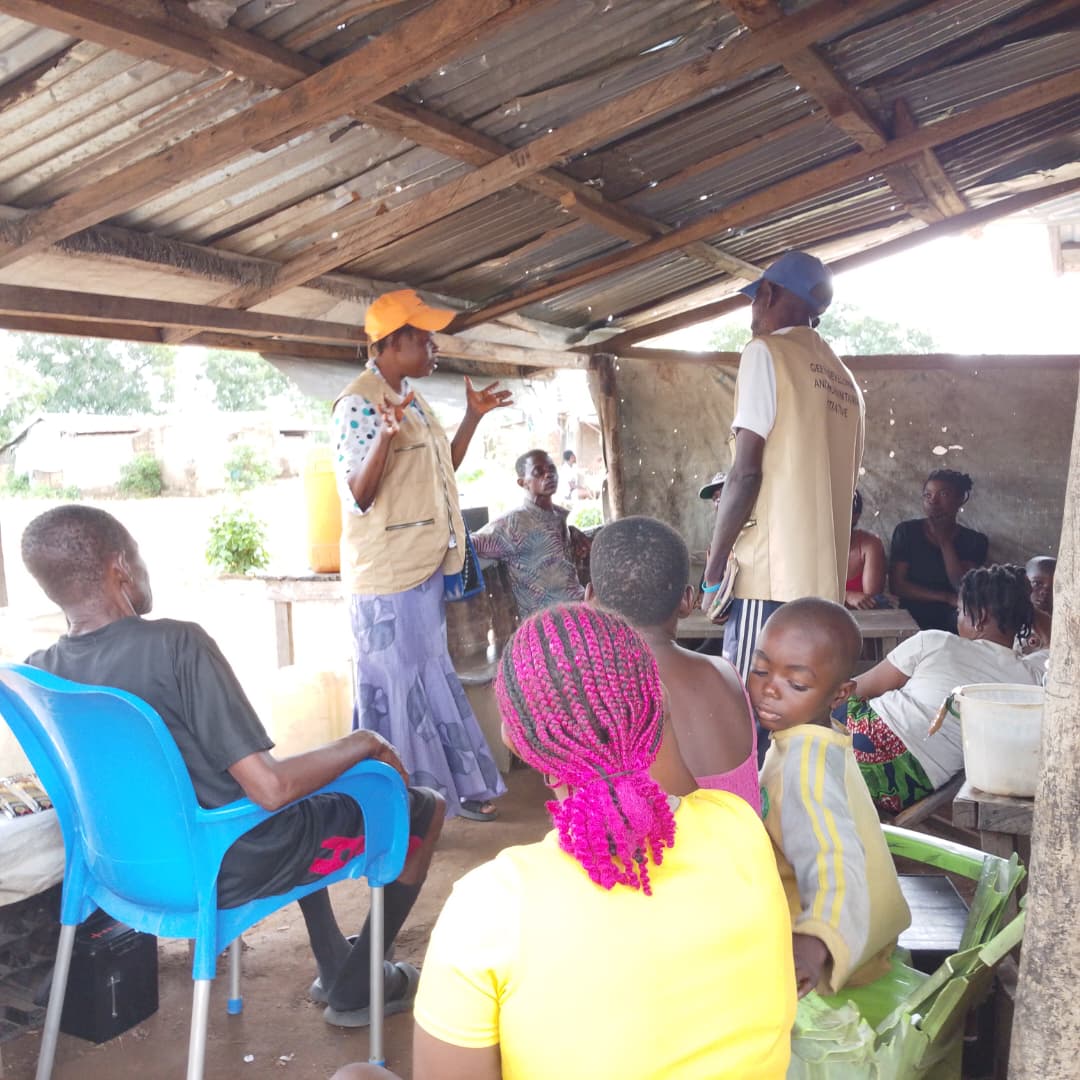
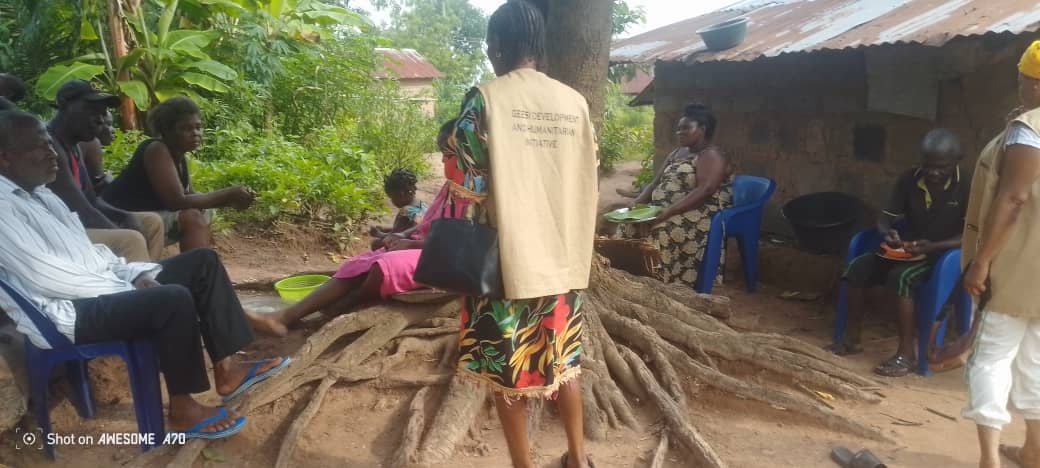
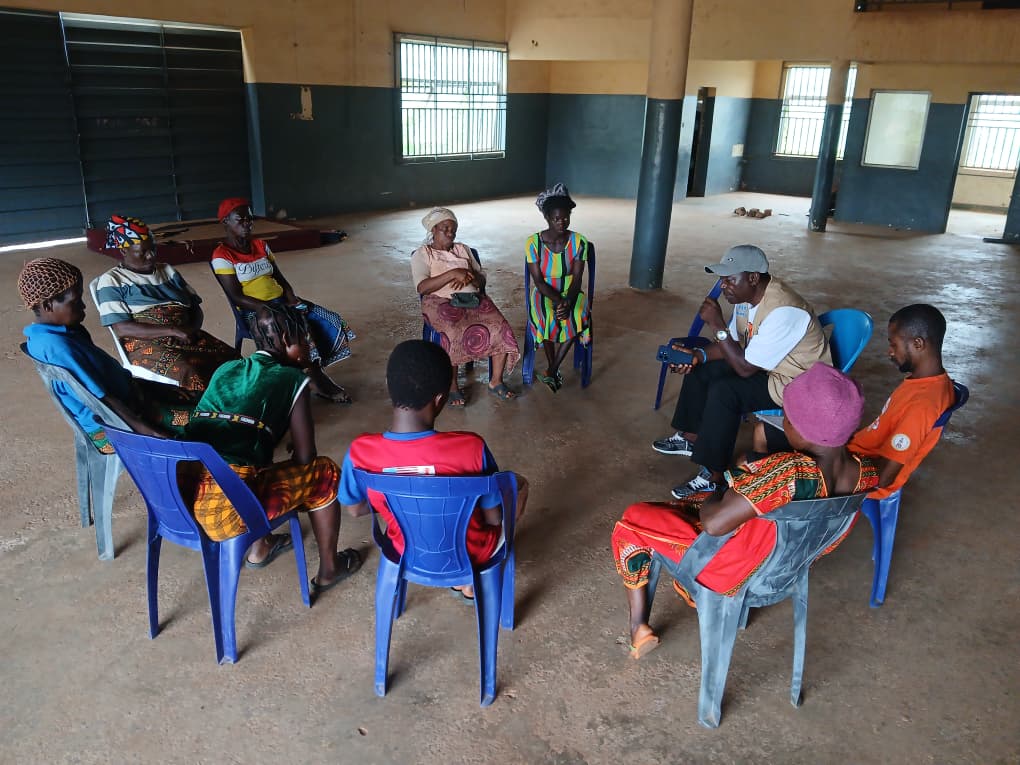
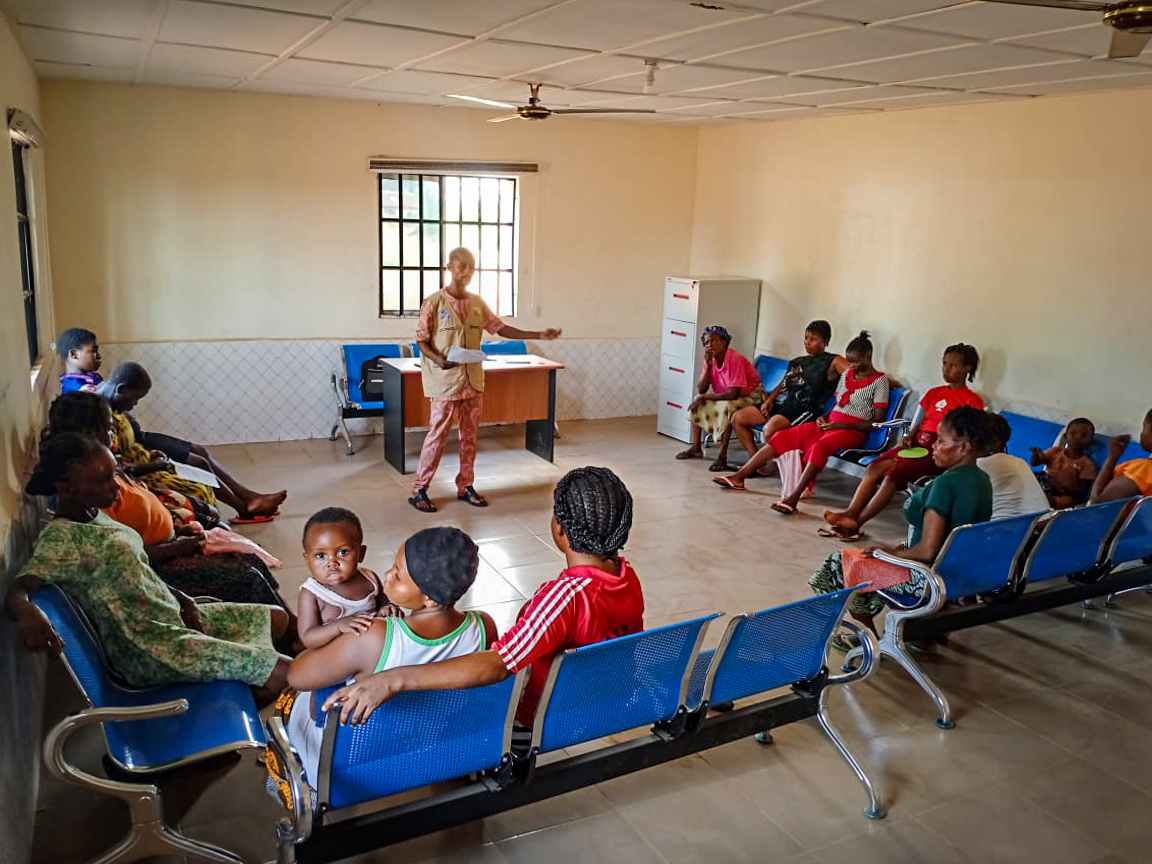
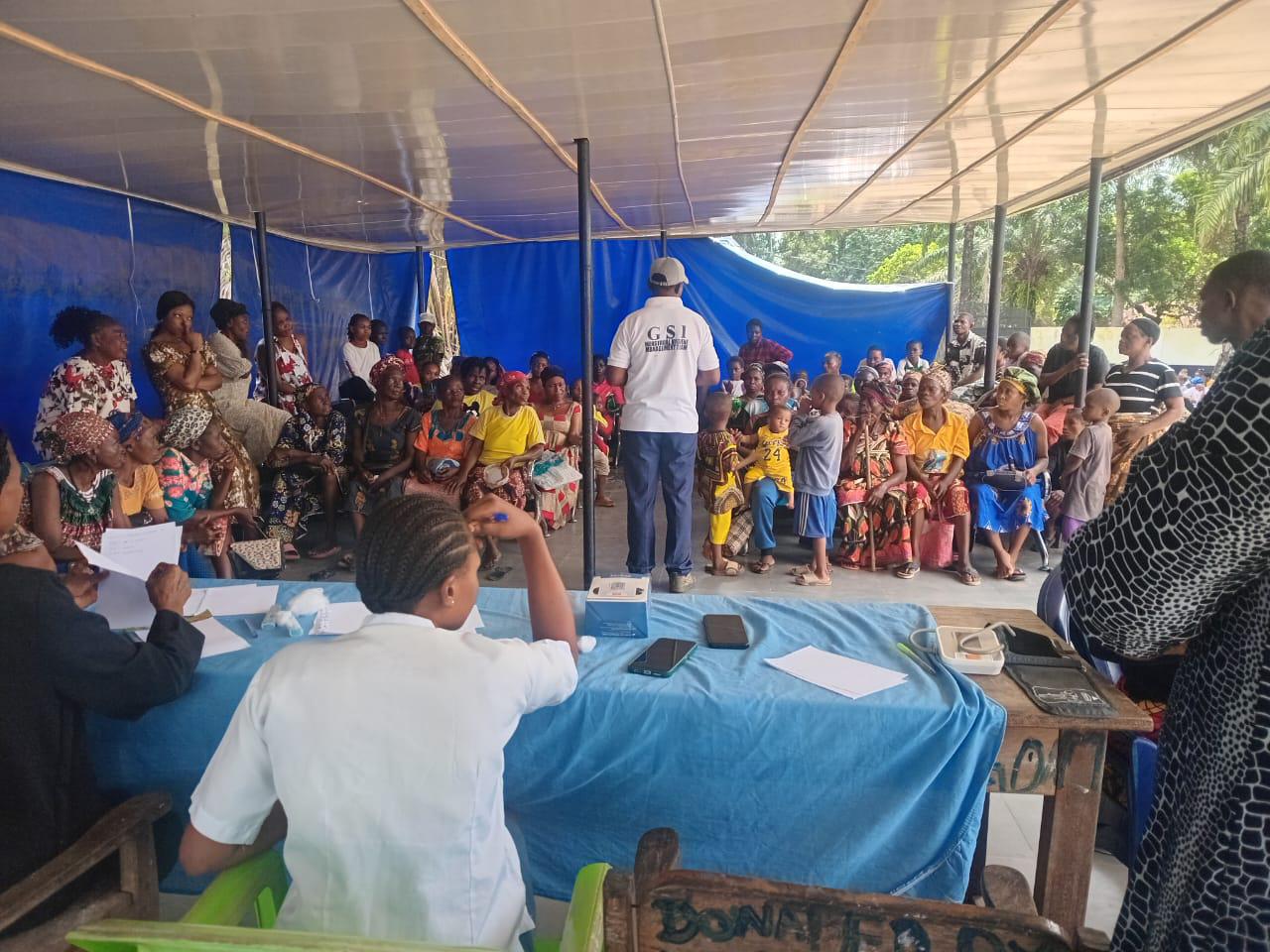
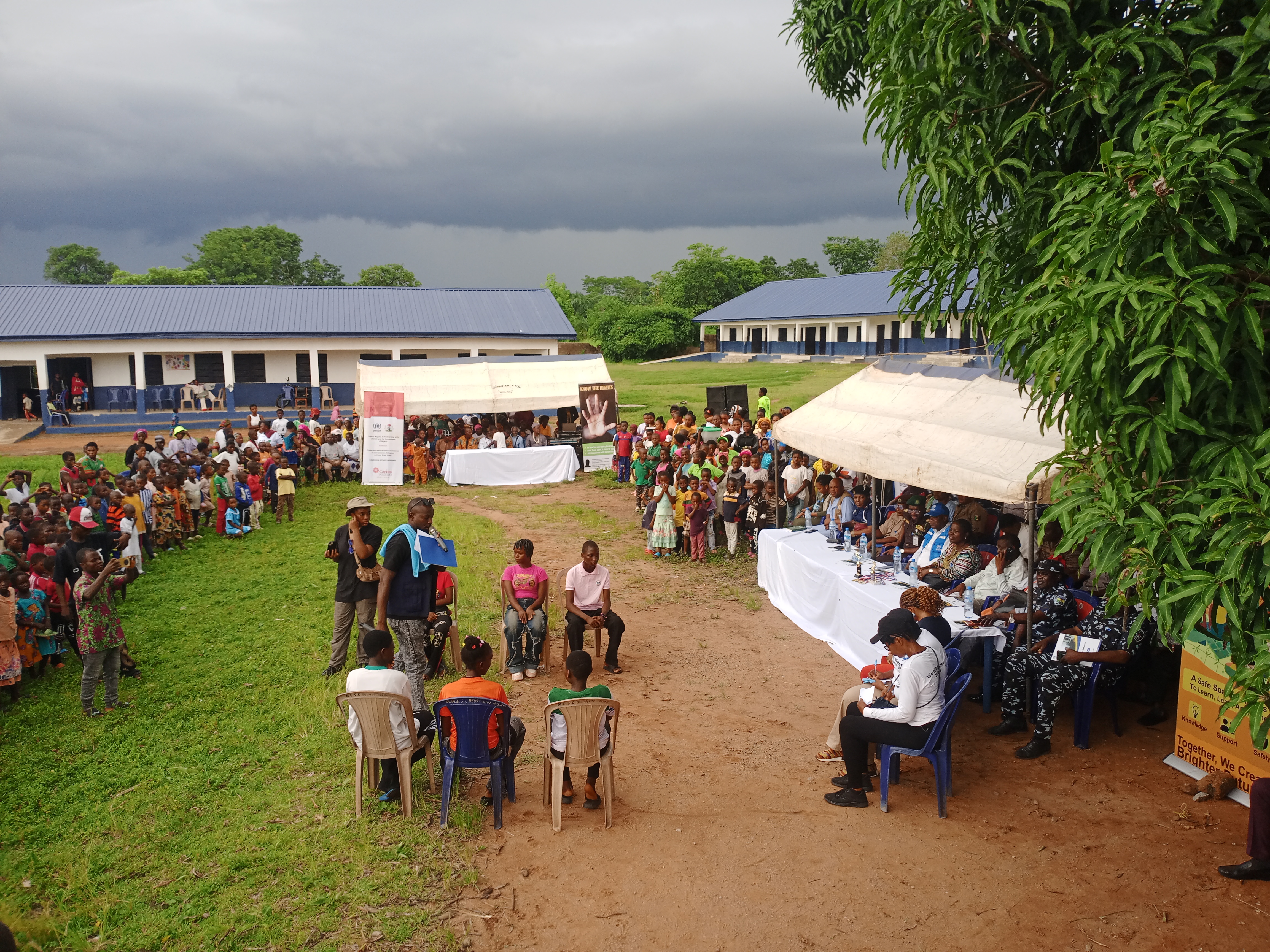
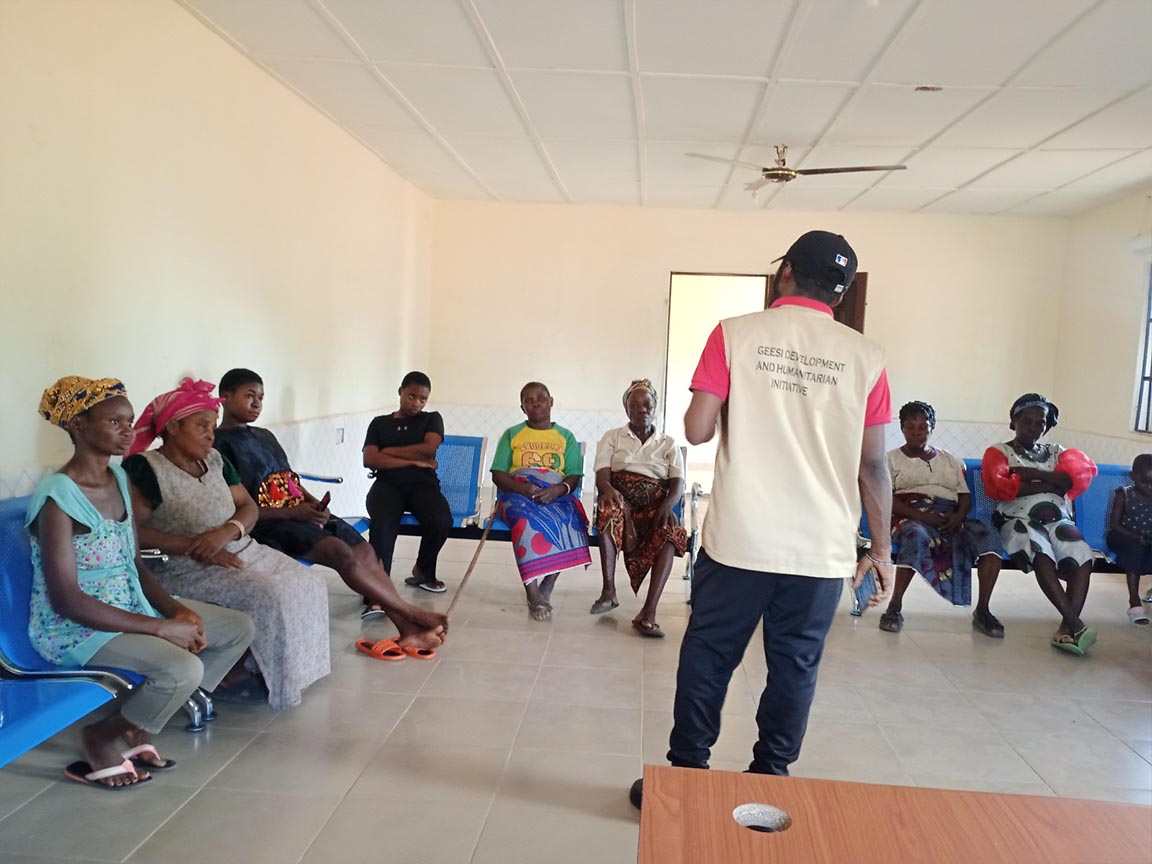
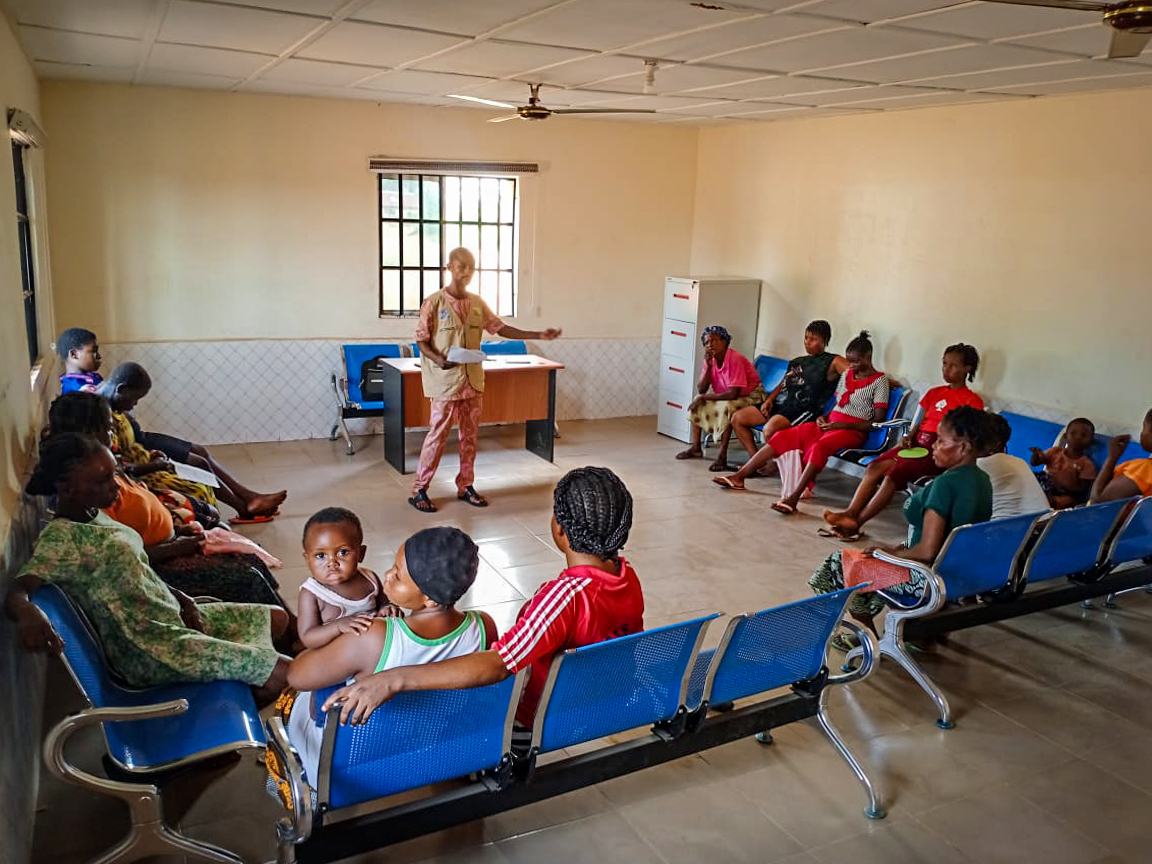
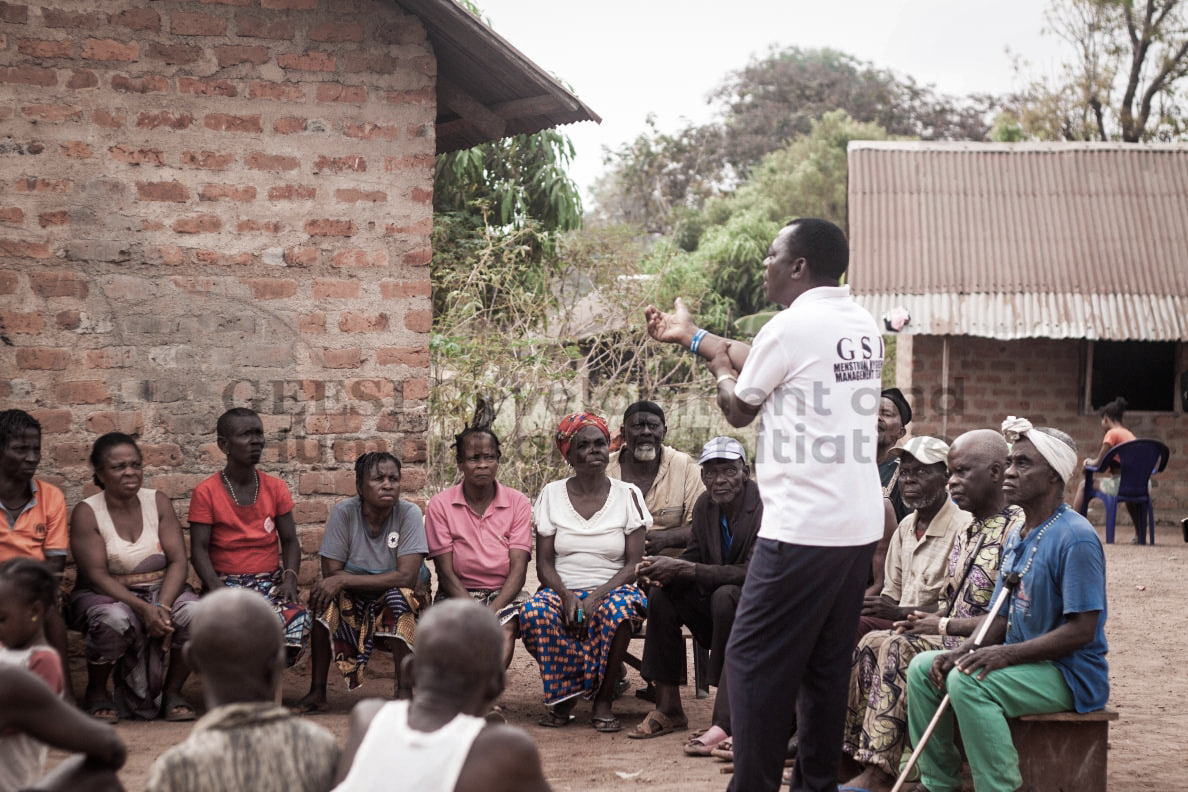
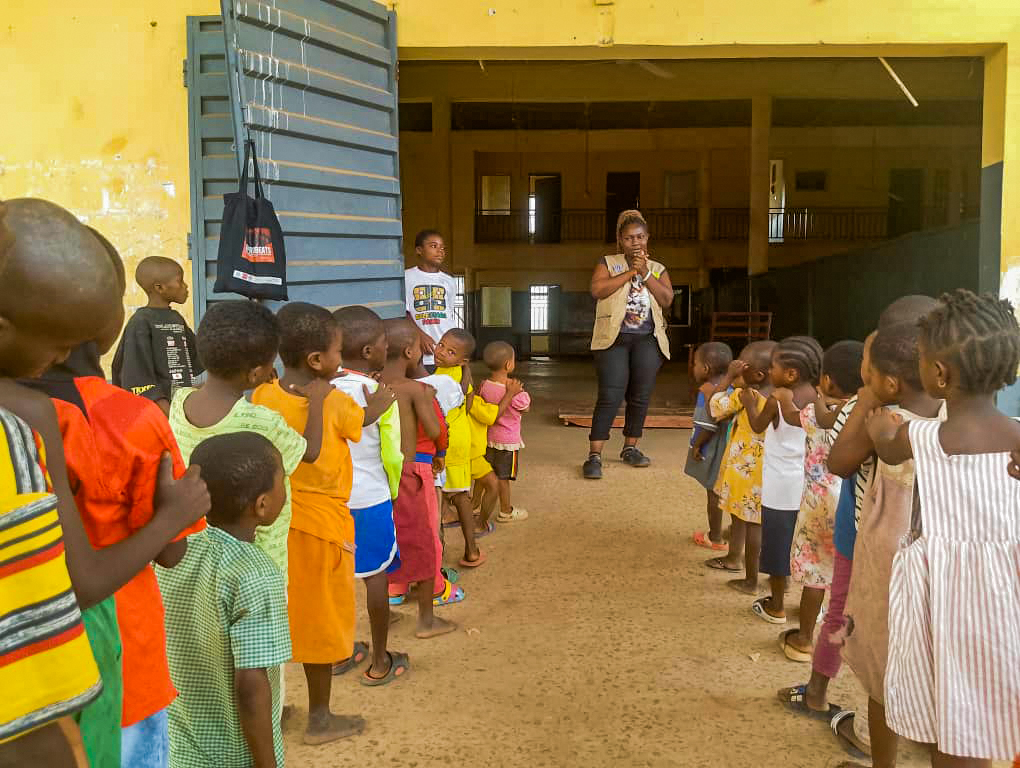
REFUGEE CHILDREN DENIED DRUGS... Addressing Misinformation Among Refugees: Southern Cameroonian Parents Engage in Critical Dialogue. In a proactive move to safeguard the well-being of refugee children, Geesi Development and Humanitarian Initiative recently convened a gathering of Southern Cameroonian refugee parents to address the growing challenge of misinformation within refugee communities. The engagement focused on correcting harmful narratives that have led to fear, confusion, and decisions negatively affecting children’s health and education. One major concern discussed was misinformation surrounding mebendazole, a medication routinely administered in schools to prevent and treat intestinal worm infections. Parents had been falsely informed that the drug originated from Cameroon and was intended to harm or kill their children. This misleading narrative led some parents to withdraw their children from school, believing it was a protective measure. Health facilitators at the gathering, Mr E. Martins, clarified that mebendazole is a globally recognised, safe, and widely used deworming medication recommended for children to support their growth, nutrition, and overall health.
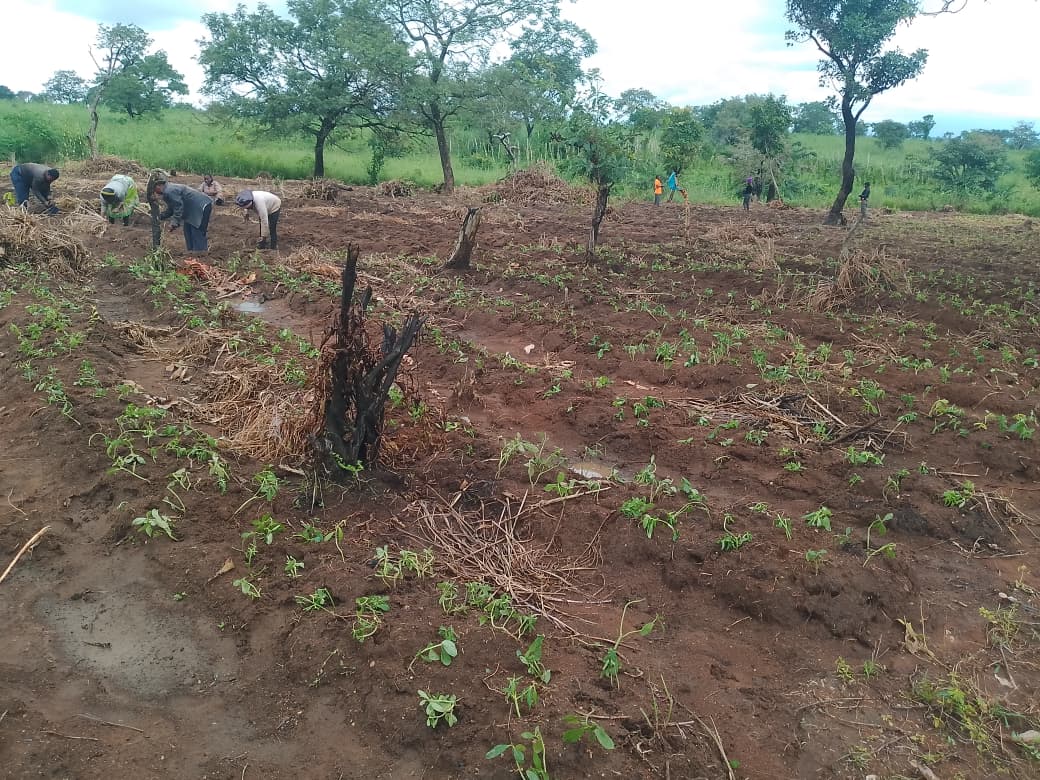
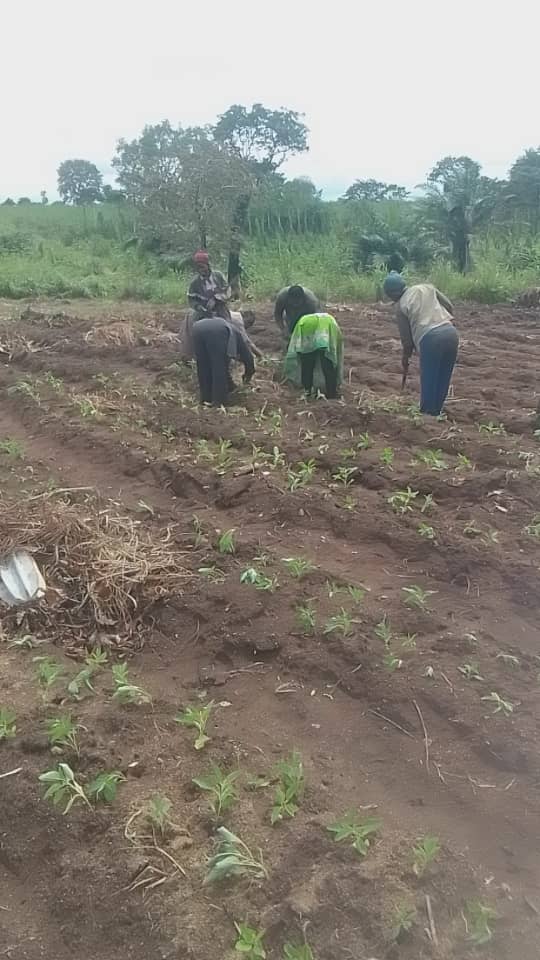
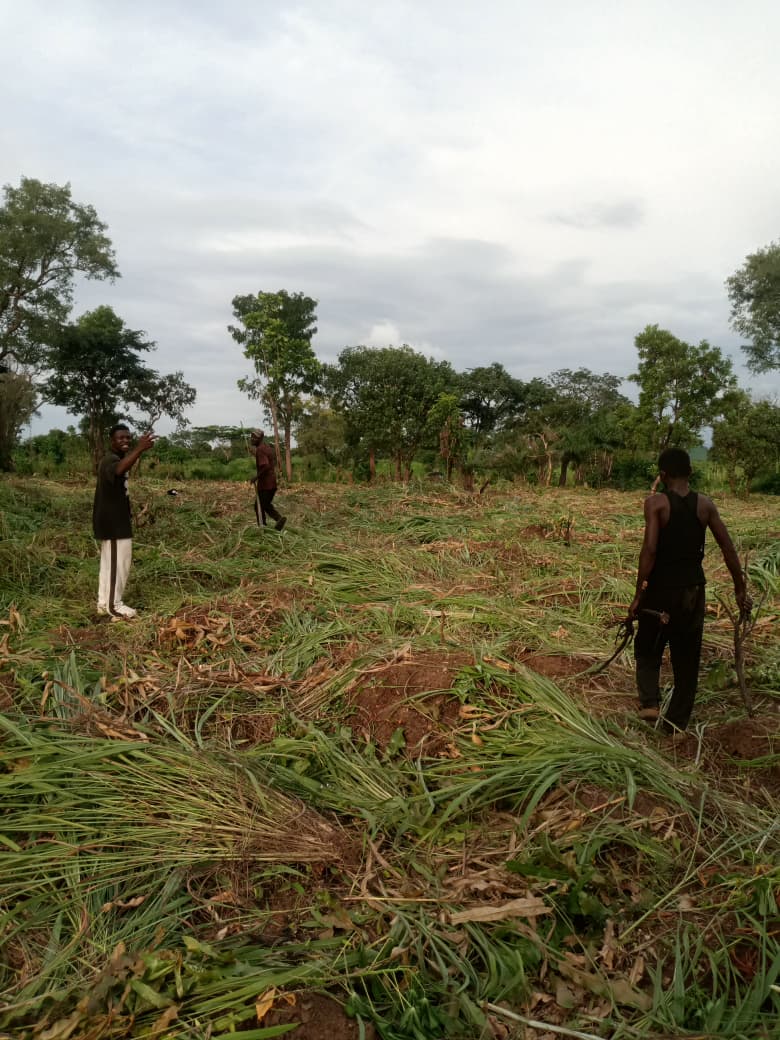
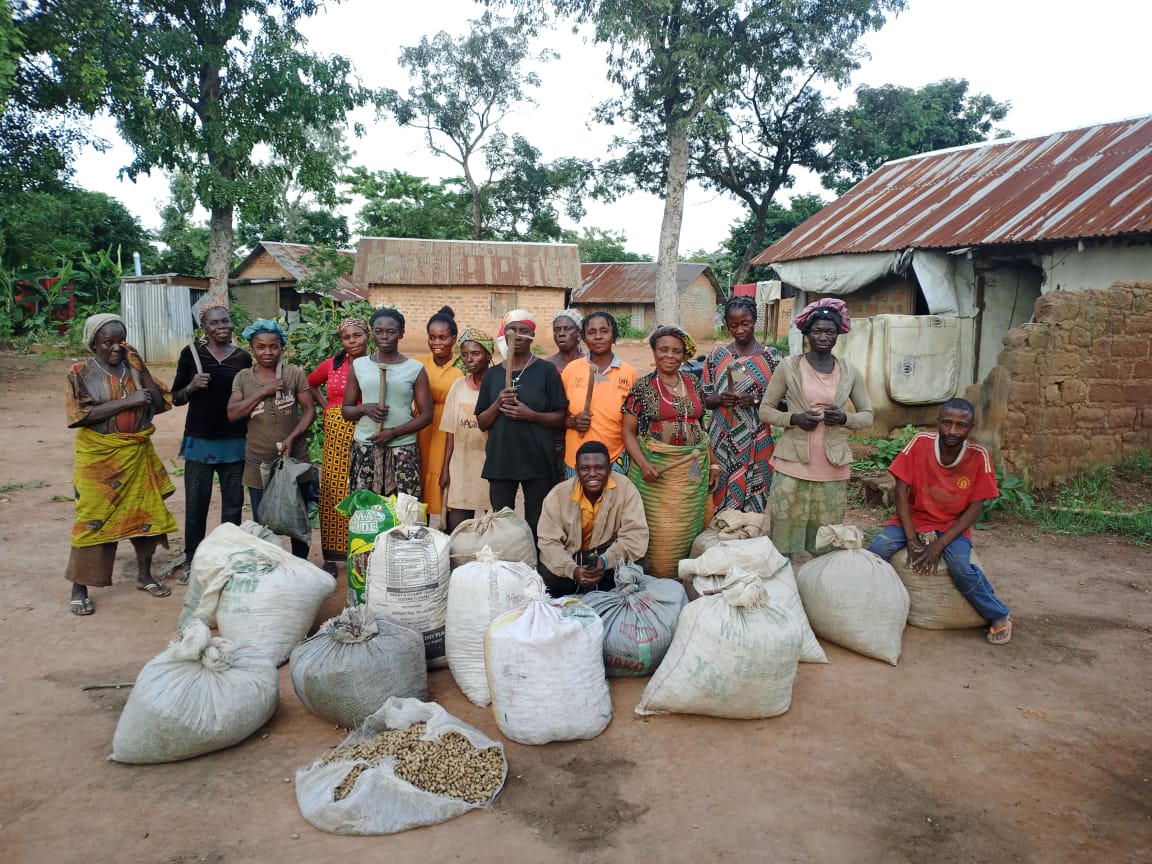
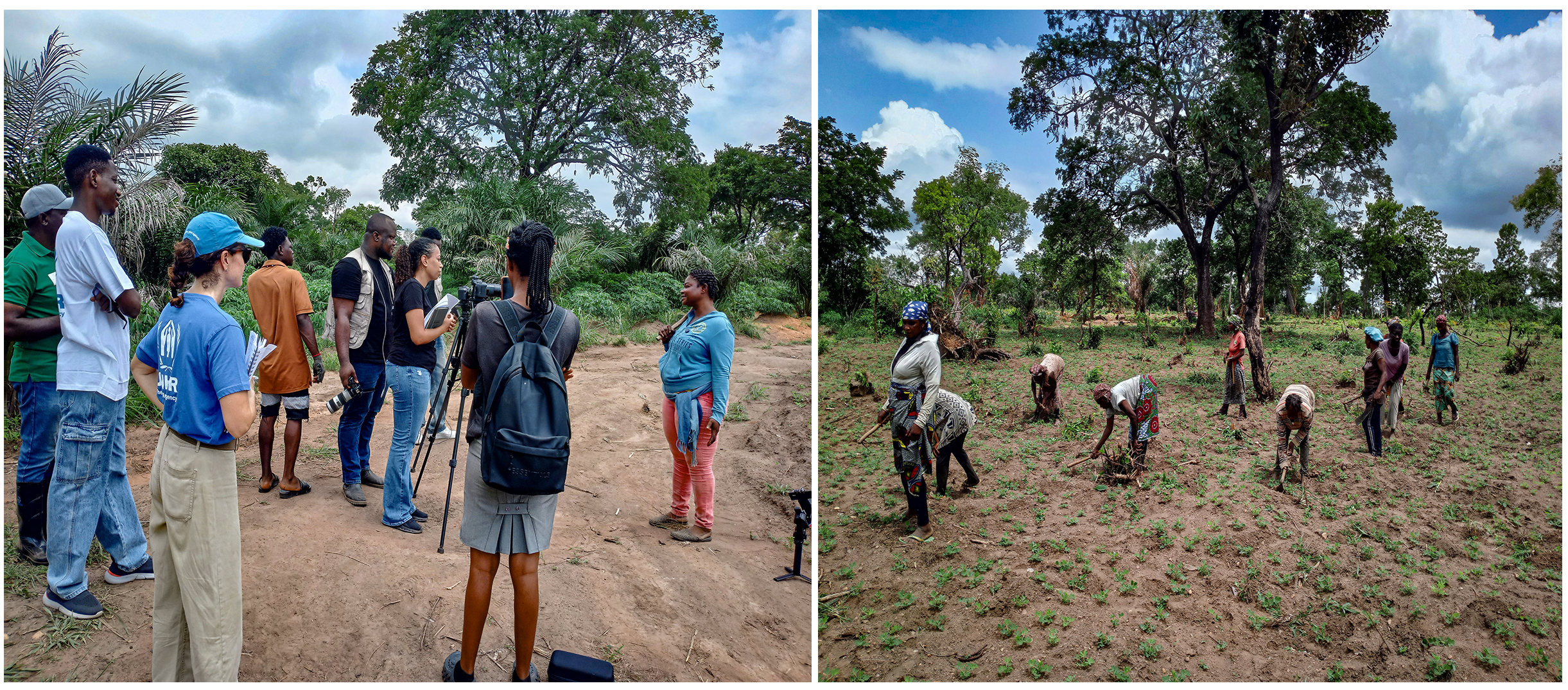
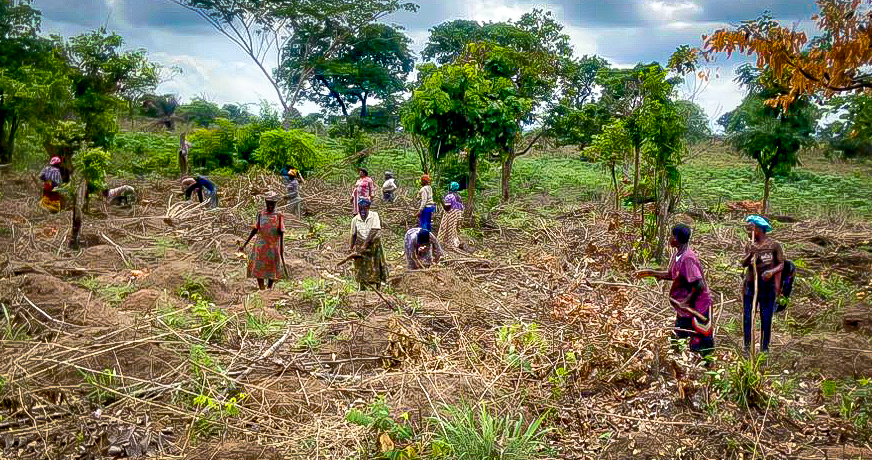
Tru Chrisz reporting for Intergrated Cooperative 🎥🌱 6 Today, 10th of April, I was with the Integrated Cooperative, a newly created platform bringing hope, dignity, and economic empowerment through farming. What I witnessed today was more than just farming activities — it was commitment, unity, and resilience in action. The volunteers truly impressed both the Director and I with their dedication and teamwork. Their gratitude for the opportunity was heartfelt, and their excitement was visible as they promised to return even earlier tomorrow to continue the work with renewed energy. That spirit alone tells me this cooperative is destined for impact. Special appreciation to UNHCR and partners, and Cohere for their continuous humanitarian support, and deep gratitude to GDH Initiative and their Director Mr. Cheng Laban for making this crop farming empowerment possible. Your investment in people is planting seeds that will feed futures. We also look forward to having the women present tomorrow to actively support and strengthen this collective effort, the empowerment includes both genders. I call on the Nigerian Government to recognize and support initiatives like the Integrated Cooperative. Sustainable empowerment at the grassroots level is key to building resilient communities and reducing dependency. Together, we grow. Together, we rise. 🌾🇳🇬
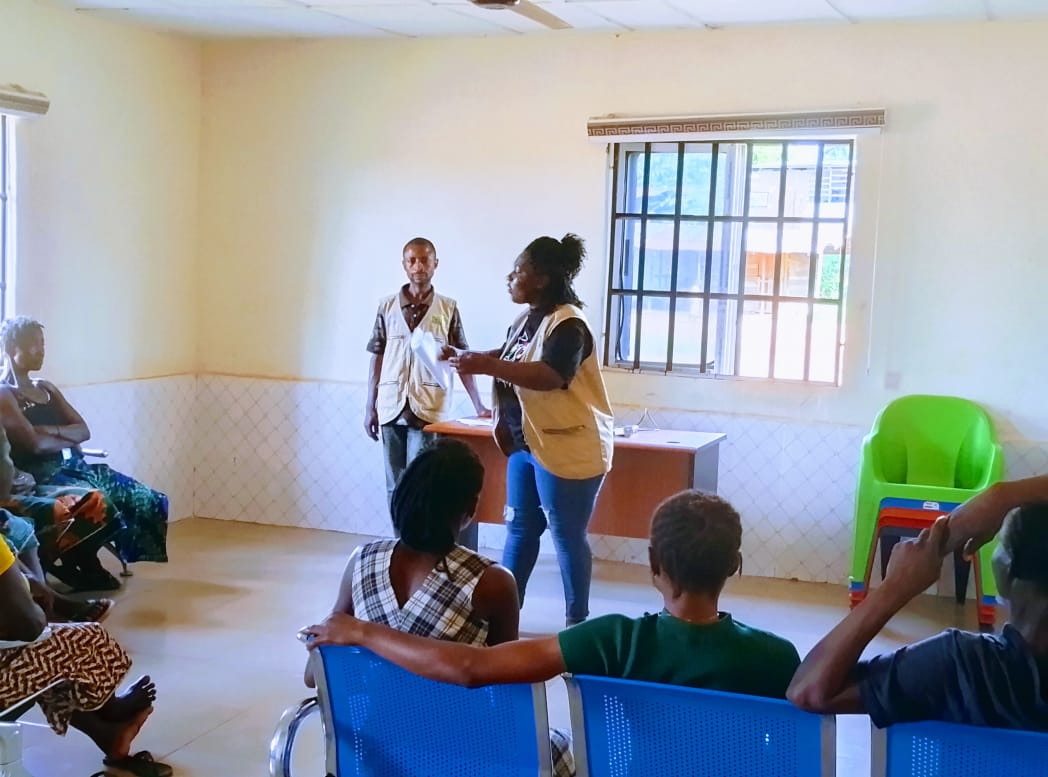
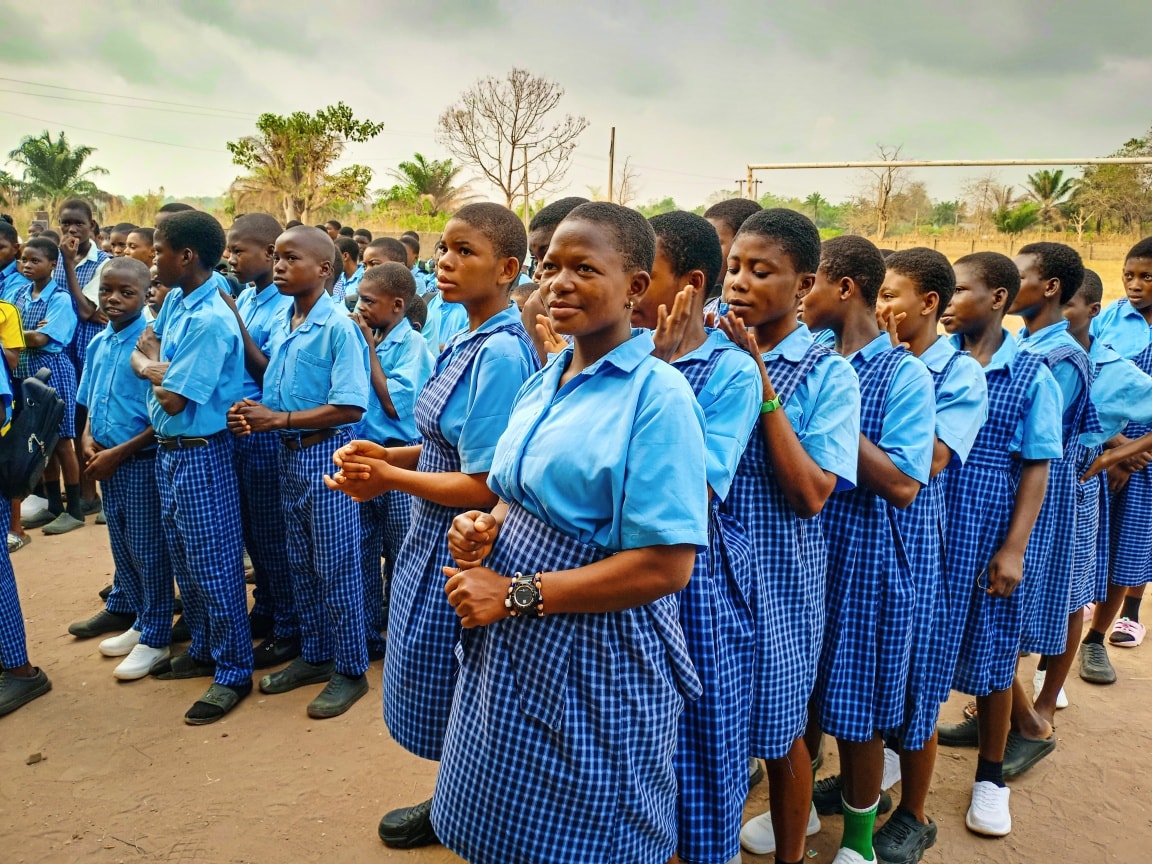
Volunteers from GEESI Development and Humanitarian Initiative conducted a sensitization session with students at Government Secondary School Ukende to commemorate International Women’s Day. The session focused on educating students on youth rights, gender equality, and the prevention of Gender-Based Violence (GBV). Students were encouraged to understand and uphold their rights, respect one another, and report any form of violence or abuse. The activity aimed to promote awareness and foster a culture of equality and non-violence among young people
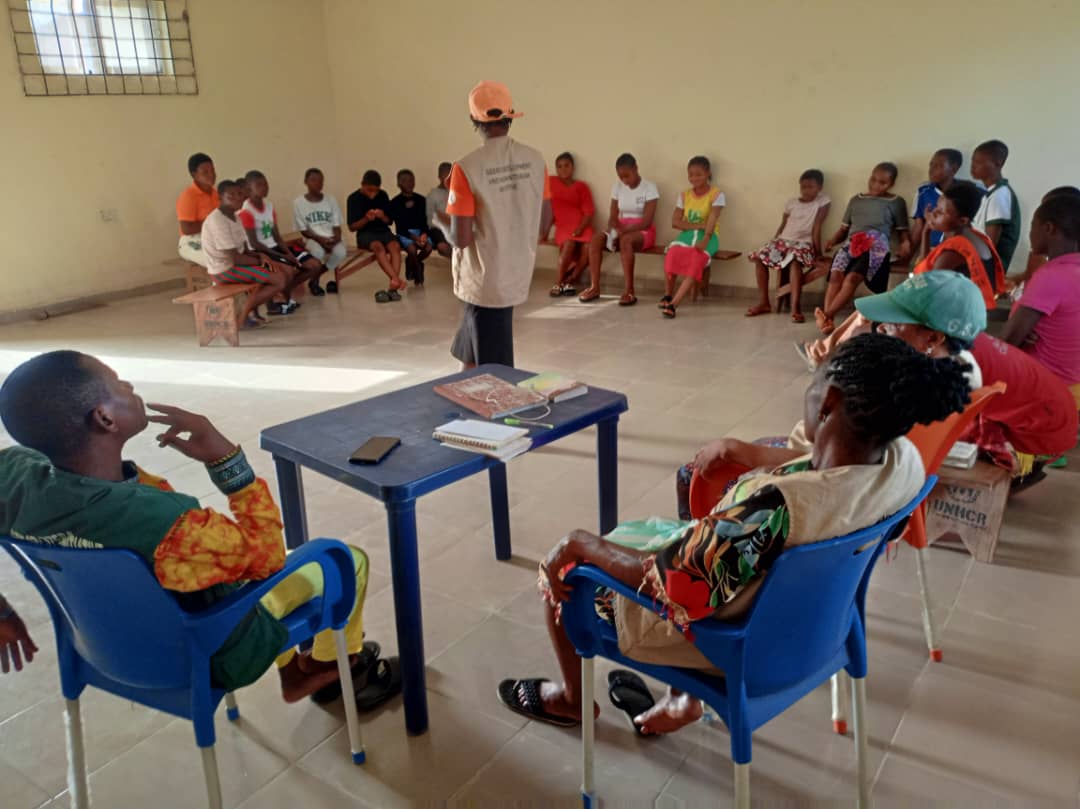
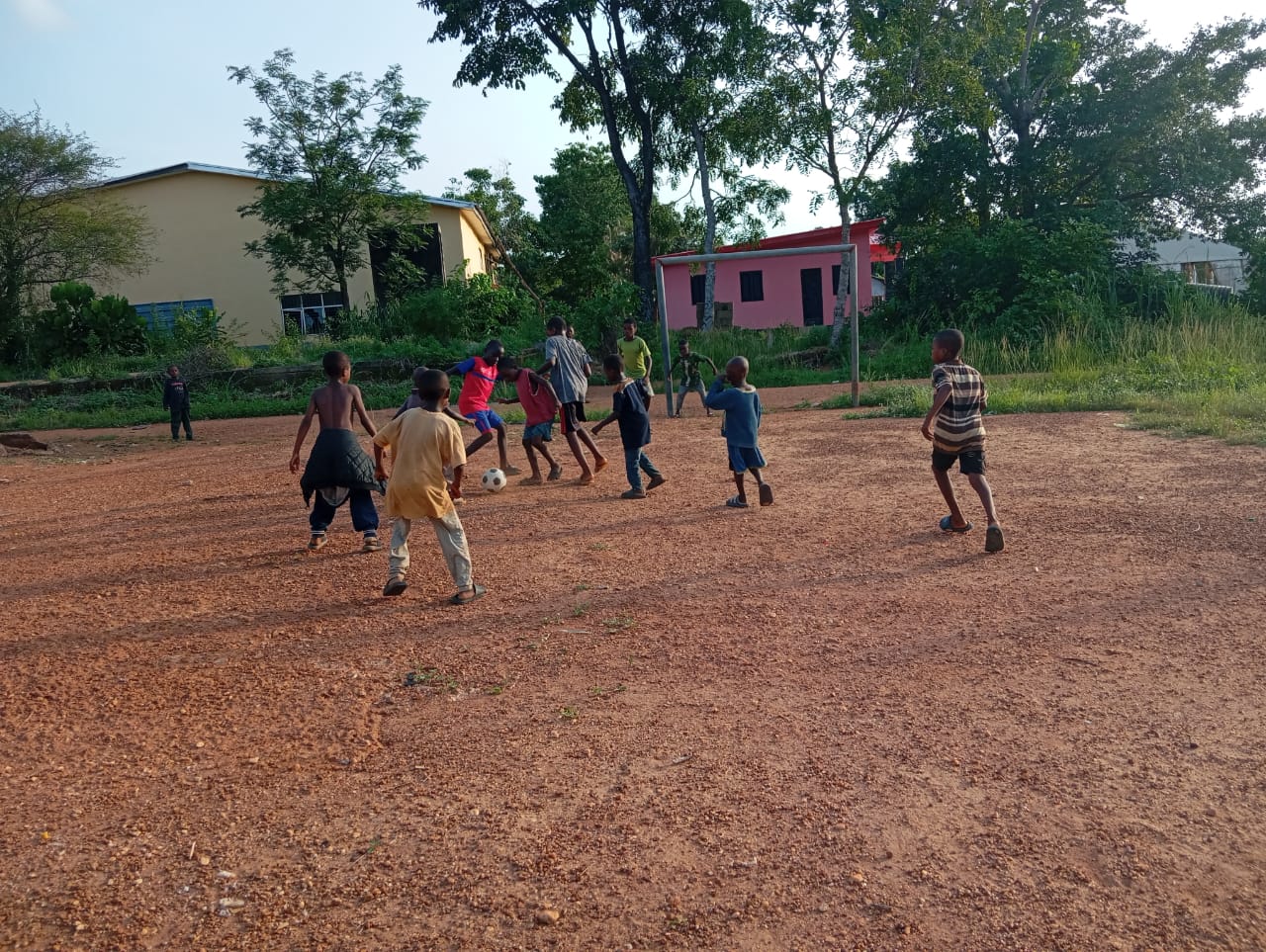
Today, 9th of April, I was with the Integrated Cooperative, a newly created platform bringing hope, dignity, and economic empowerment through farming. The integration of refugee women into agricultural cooperatives, as advocated by the Geesi Development and Humanitarian Initiative (GDHI), represents a strategic shift from passive aid dependency to active economic agency. By leveraging collective labor, these initiatives aim to address the structural barriers—such as lack of land tenure, limited capital, and social isolation—that often prevent displaced populations from achieving self-reliance. What I witnessed today was more than just farming activities — it was commitment, unity, and resilience in action. The volunteers truly impressed both the Director and I with their dedication and teamwork. Their gratitude for the opportunity was heartfelt, and their excitement was visible as they promised to return even earlier tomorrow to continue the work with renewed energy. That spirit alone tells me this cooperative is destined for impact. Special appreciation to UNHCR and partners, and Cohere for their continuous humanitarian support, and deep gratitude to GDH Initiative and their Director Mr. Cheng Laban for making this crop farming empowerment possible. Your investment in people is planting seeds that will feed futures. We also look forward to having the women present tomorrow to actively support and strengthen this collective effort, the empowerment includes both genders.
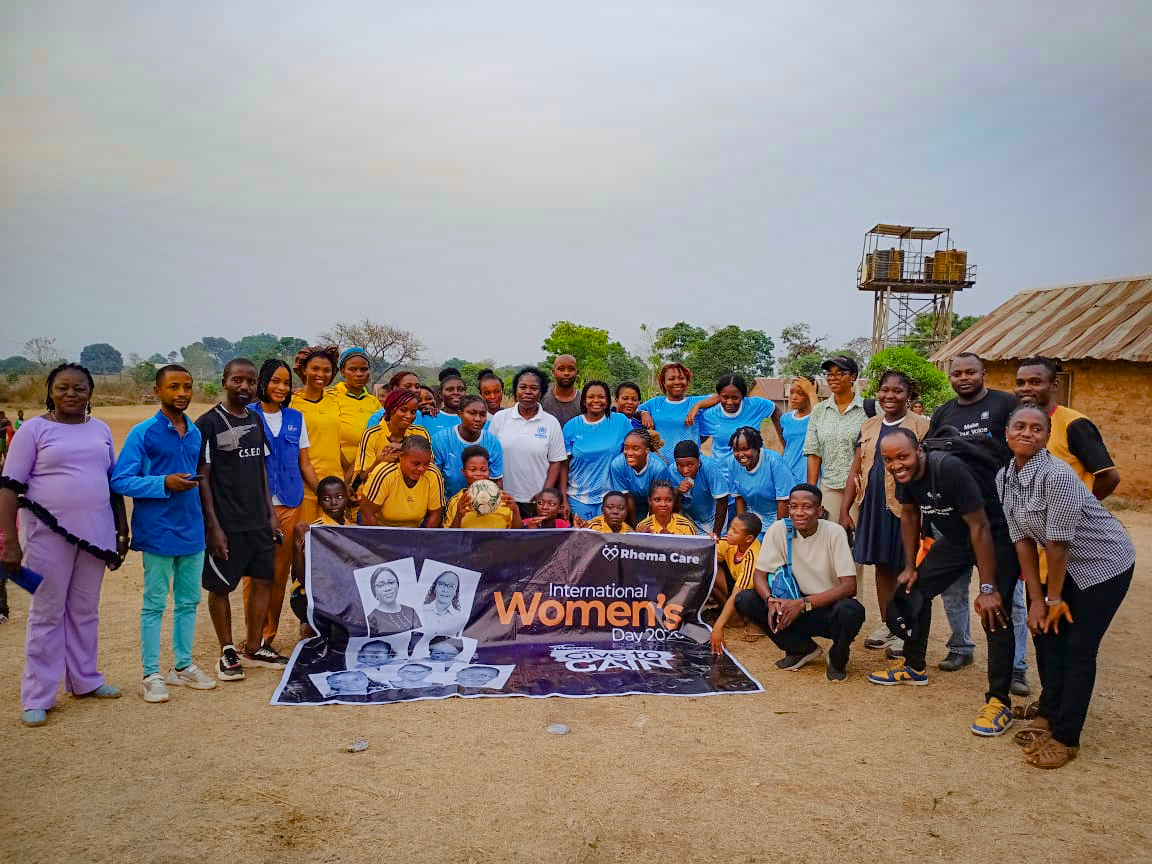
To commemorate International Women's Day, a friendly football match was organized between refugee women and staff from The United Nations High Commissioner for Refugees (UNHCR) and partner organizations. The event served as a platform to celebrate the strength, resilience, and empowerment of women within the refugee community. The match brought together refugee women from the settlement and representatives of UNHCR and its partners in a spirit of unity, teamwork, and solidarity. The atmosphere was lively and inspiring, with participants and spectators cheering enthusiastically throughout the game. Beyond the competition, the activity symbolized inclusion, equality, and the importance of supporting women’s participation in community activities. Overall, the event was successful in highlighting the significance of International Women’s Day while fostering positive interaction between refugee communities and humanitarian partners. The match not only celebrated women but also reinforced the shared commitment to promoting dignity, empowerment, and equal opportunities for all women.
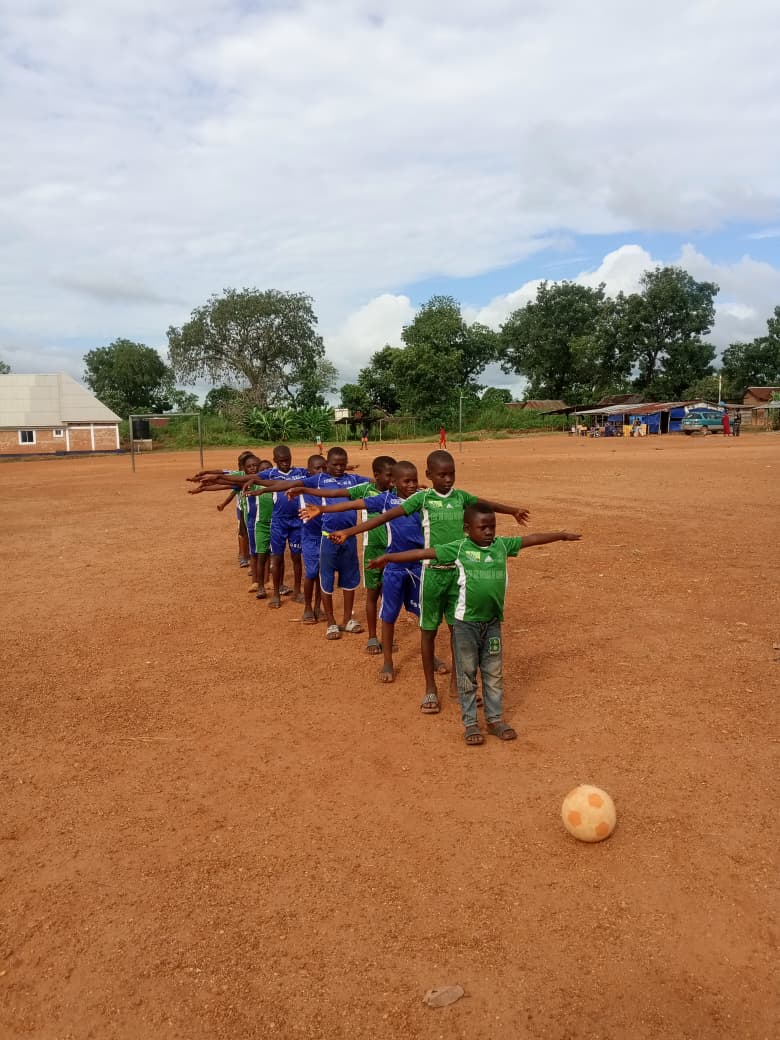
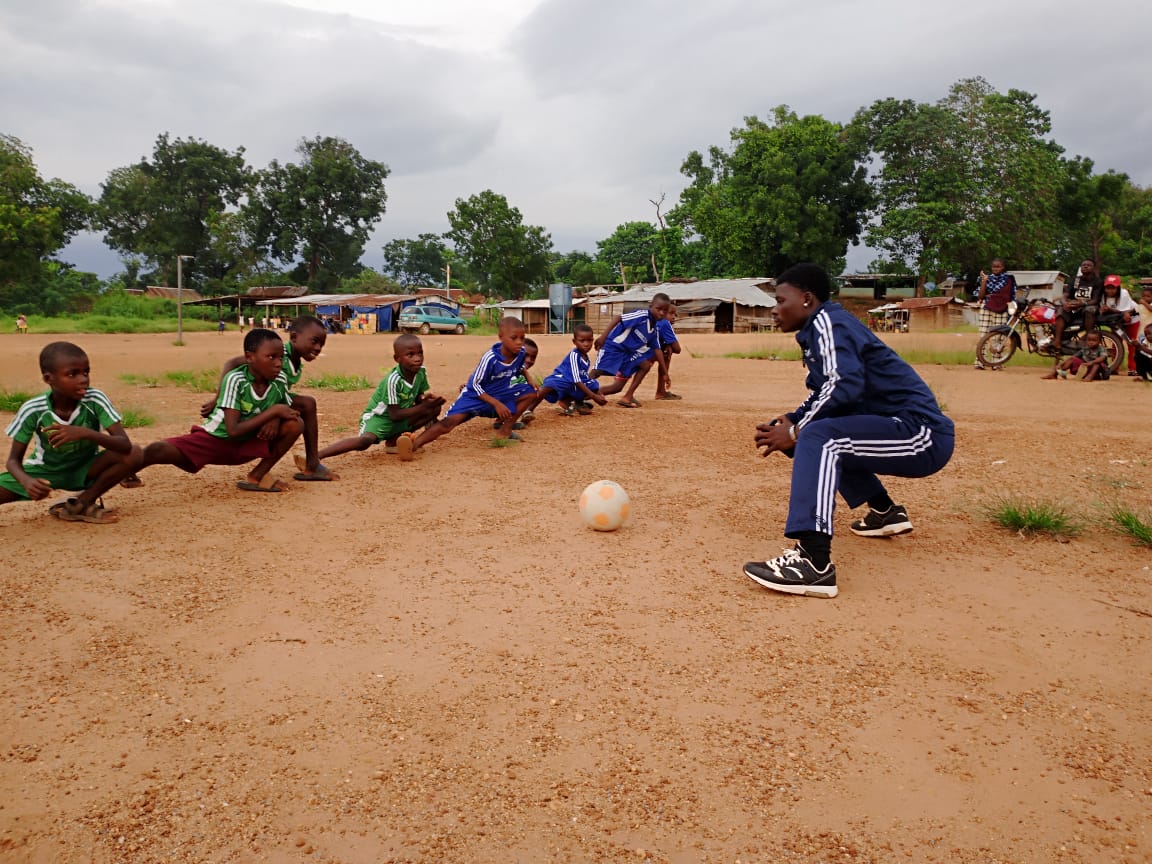
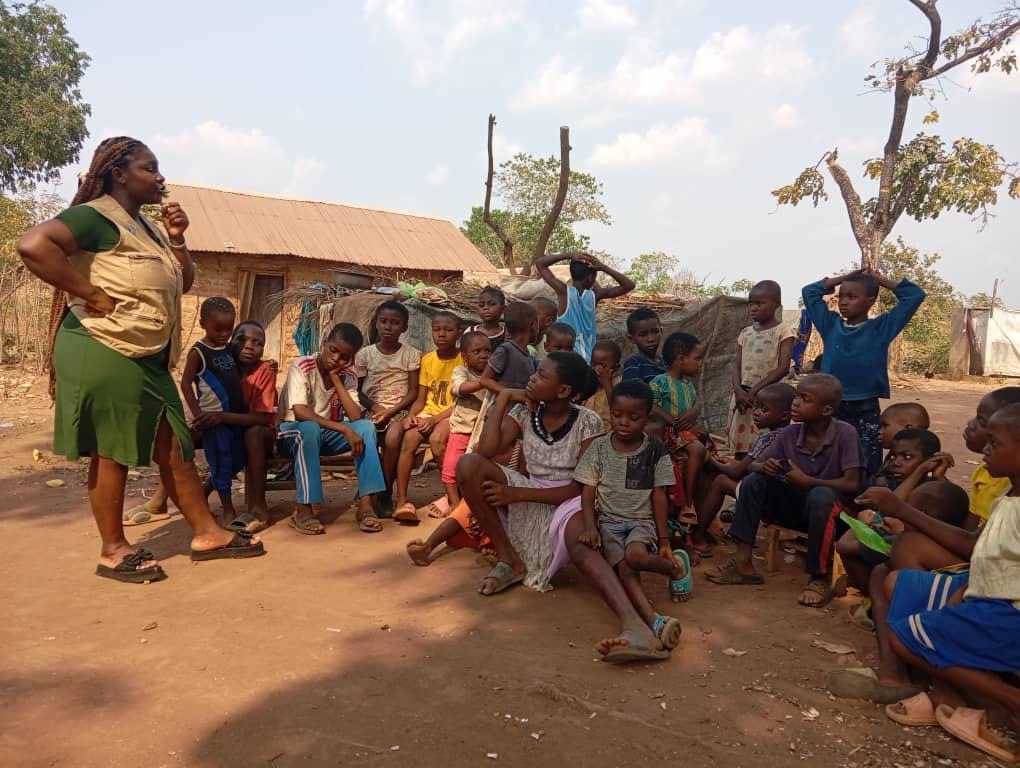
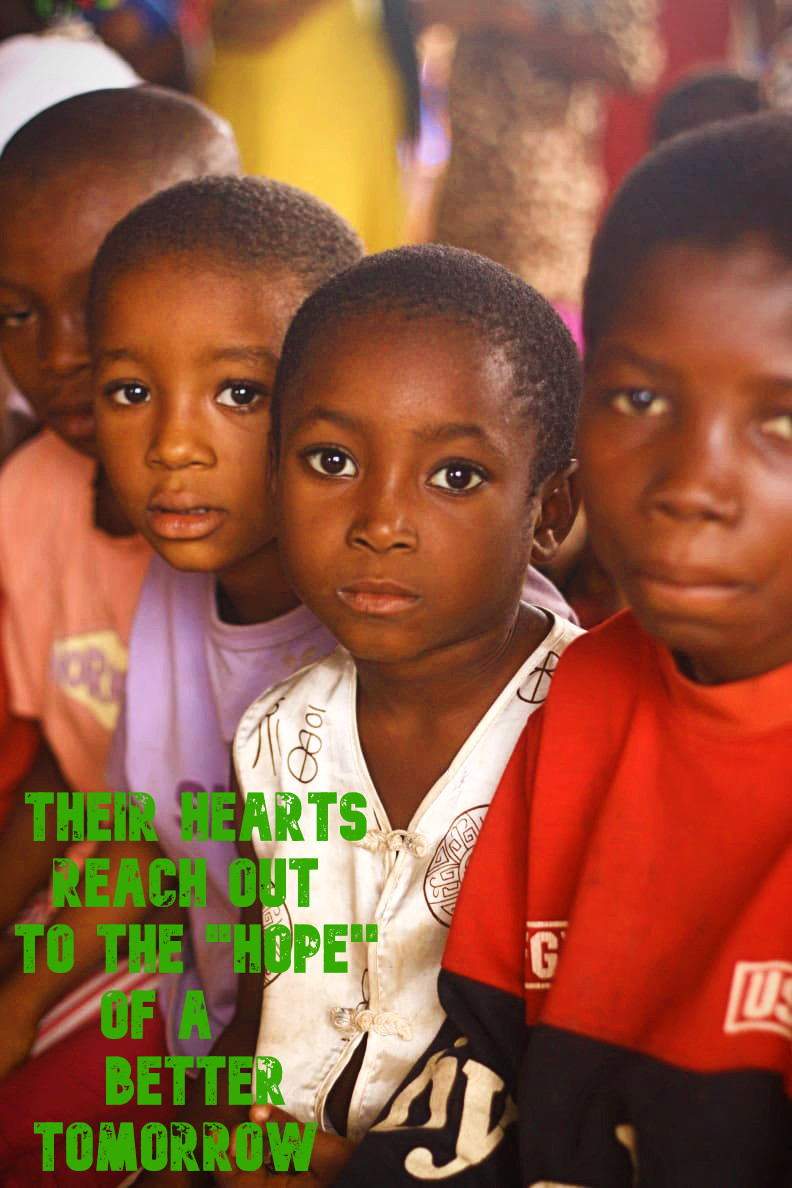
The psychological and emotional landscape of refugee children is a complex tapestry of resilience, profound loss, and the enduring search for safety. These children, who constitute approximately 40% of the global refugee population, often carry "invisible baggage" consisting of traumatic memories from their homelands, harrowing journeys, and the uncertainty of life in host countries. By coming to the aid of this Children, we provide a place of comfort in their hearts ❤, giving them a new Determination Of Hope For A Better Tomorrow...
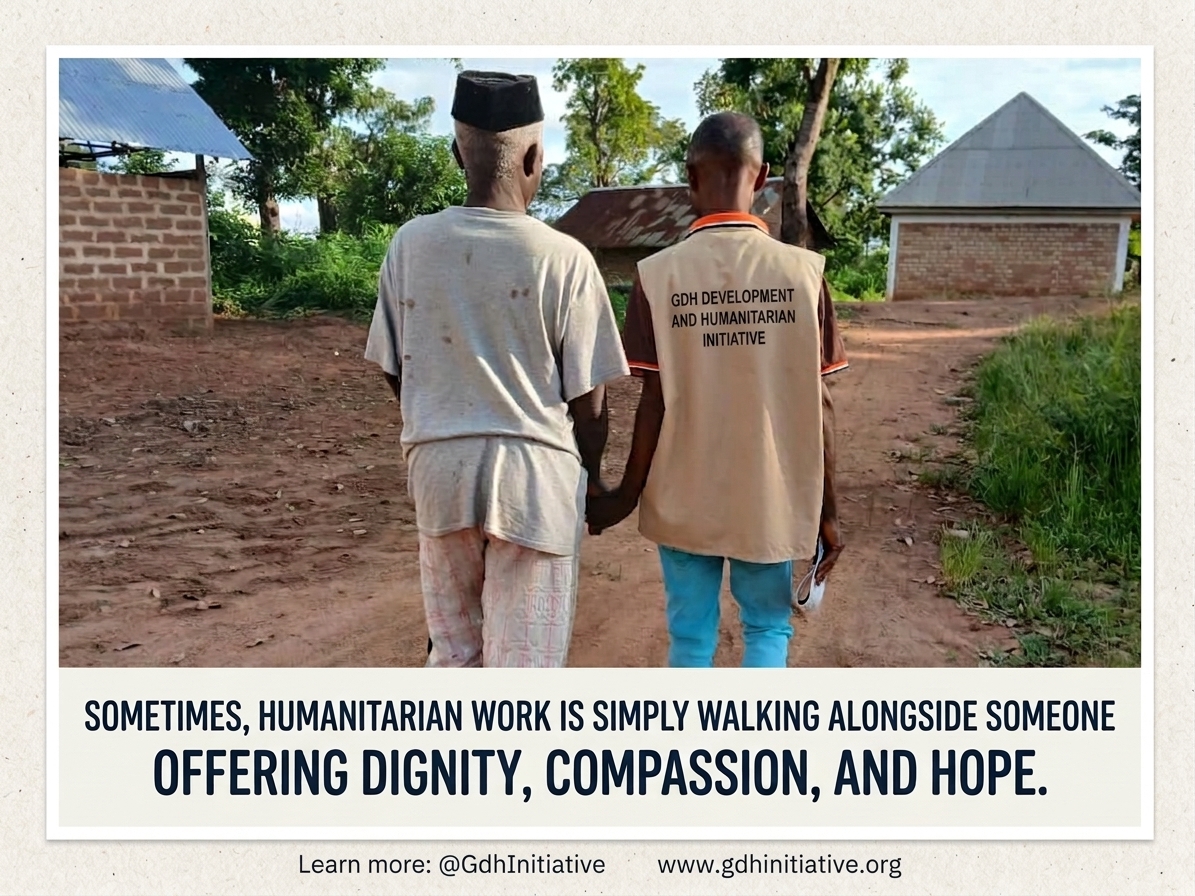
The Geesi Development and Humanitarian Initiative (GDHI) is a non-governmental organization (NGO) established in 2019 to address the systemic vulnerabilities faced by displaced populations, particularly refugees and internally displaced persons (IDPs). At its core, the organization operates on the principle of "Humanitarian Protection," which involves not only providing immediate relief but also ensuring the safety, dignity, and rights of individuals in crisis. By focusing on women, children, and the elderly, GDHI aligns with global humanitarian standards that prioritize those most at risk during displacement. The initiative’s multifaceted approach combines emergency aid, such as food distribution, with long-term developmental goals like education and vocational training to foster a transition from dependency to self-reliance
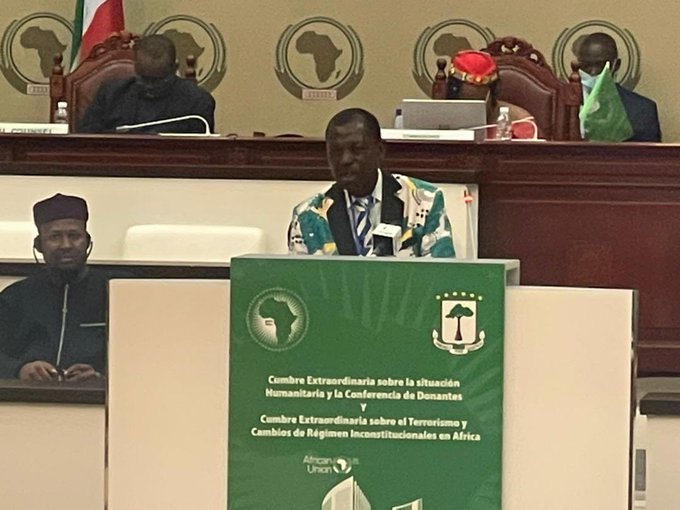
Mr. Cheng Laban, the Executive Director of the Geesi Development and Humanitarian Initiative (GDHI) has emerged as a pivotal figure in the contemporary discourse on refugee-led advocacy within the African continent. His work primarily focuses on shifting the humanitarian paradigm from one of passive aid reception to one of active, meaningful participation by displaced persons. At the African Union (AU) Extraordinary Humanitarian Summit and Pledging Conference, Mr. Cheng Laban represented the collective voice of the Africa Refugee-Led Network (ARN), emphasizing that refugees are not merely beneficiaries of aid but are essential stakeholders in the design and implementation of durable solutions
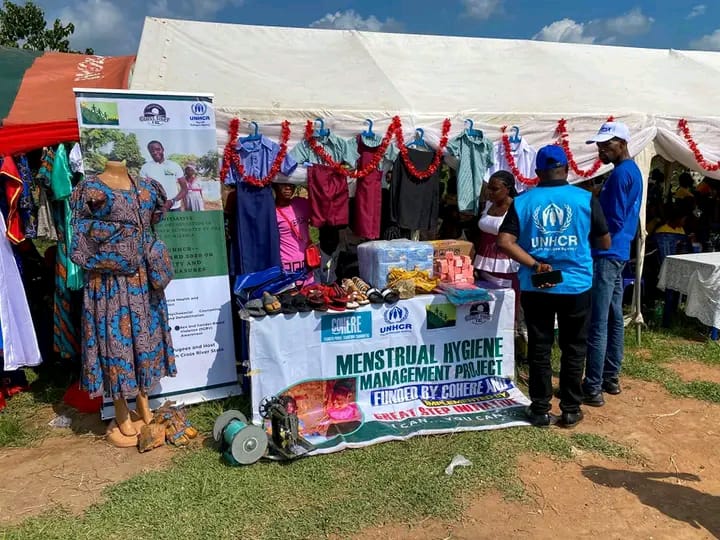
The celebration of World Refugee Day 2024 at the Ukende Refugee Settlement in Ogoja, Cross River State (C.R.S.), Nigeria, represents a localized manifestation of a global humanitarian movement. This event, centered on the theme "Hope Away from Home," served as a platform for displaced individuals to demonstrate their resilience through the exhibition of tangible goods and Fashion Design produced during the GDHI Livelihood Workshop. Such celebrations are critical because they shift the narrative of refugees from being passive recipients of aid to active contributors to the local economy and social fabric. In the context of Nigeria, which hosts thousands of Cameroonian refugees in the Ogoja region, these activities highlight the transition from emergency relief to sustainable development and self-reliance.
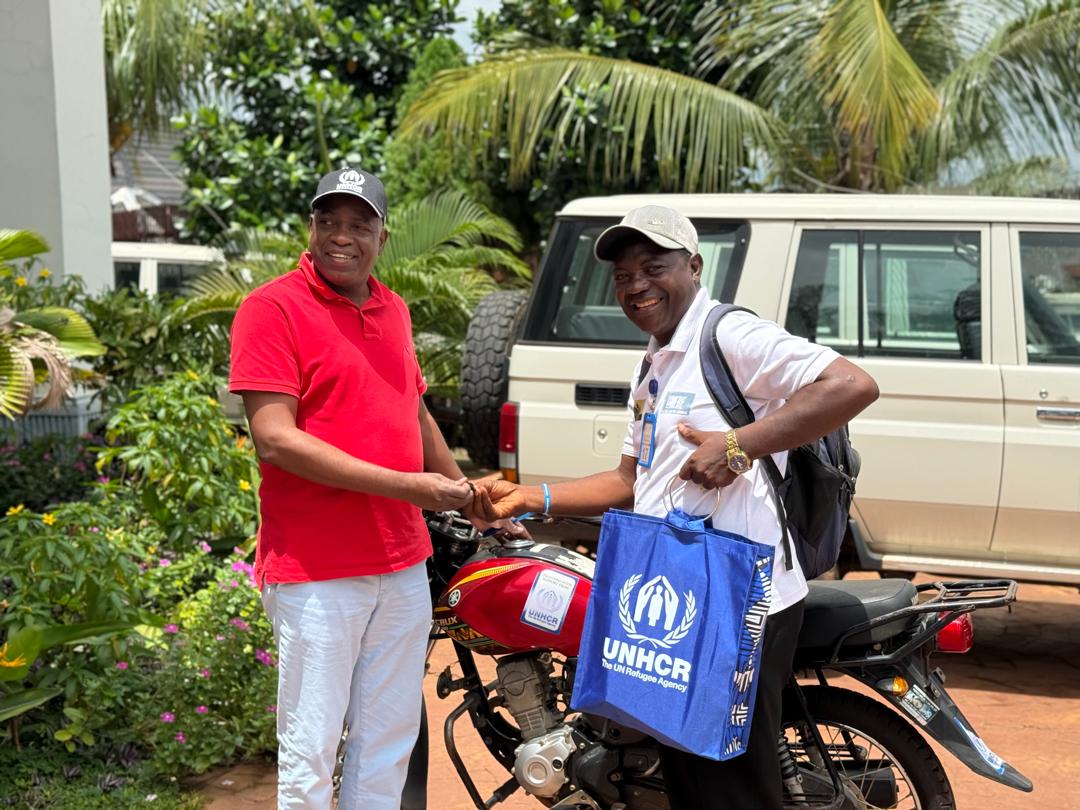
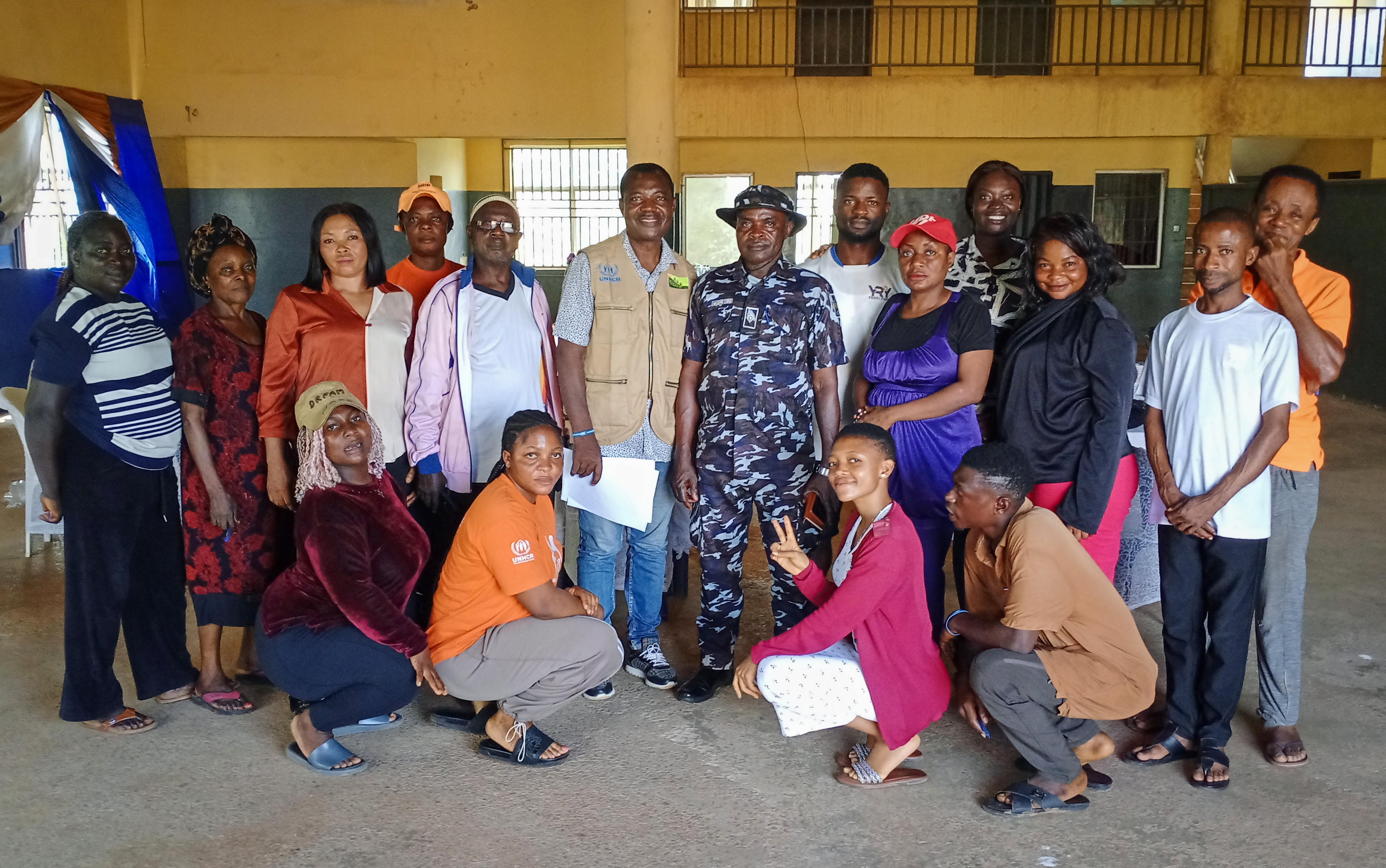
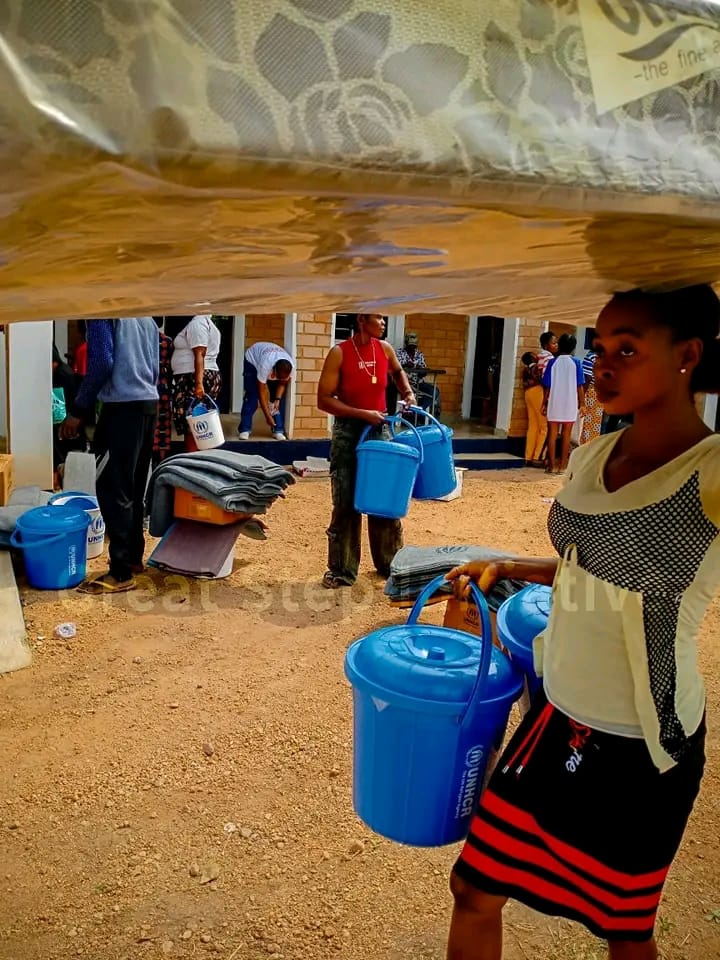
In partnership with UNHCR for the distribution of basic life support Items at the various Refugees Settlements and Host Communities in CRS, Nigeria...
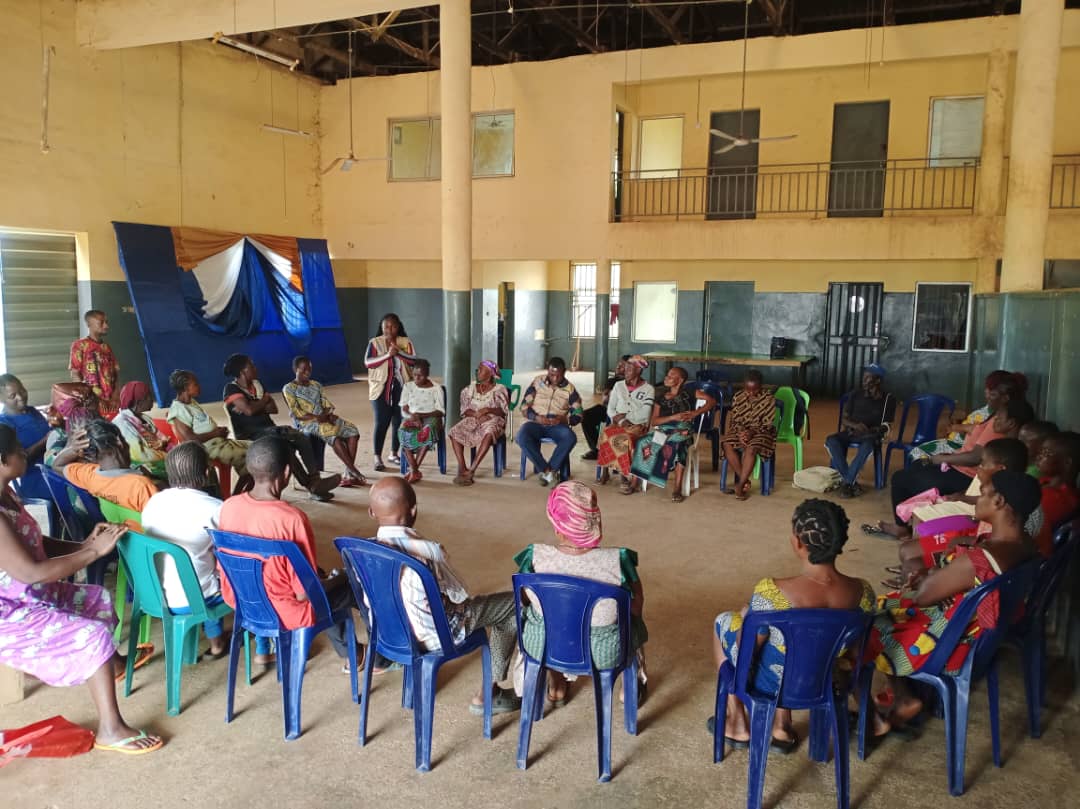
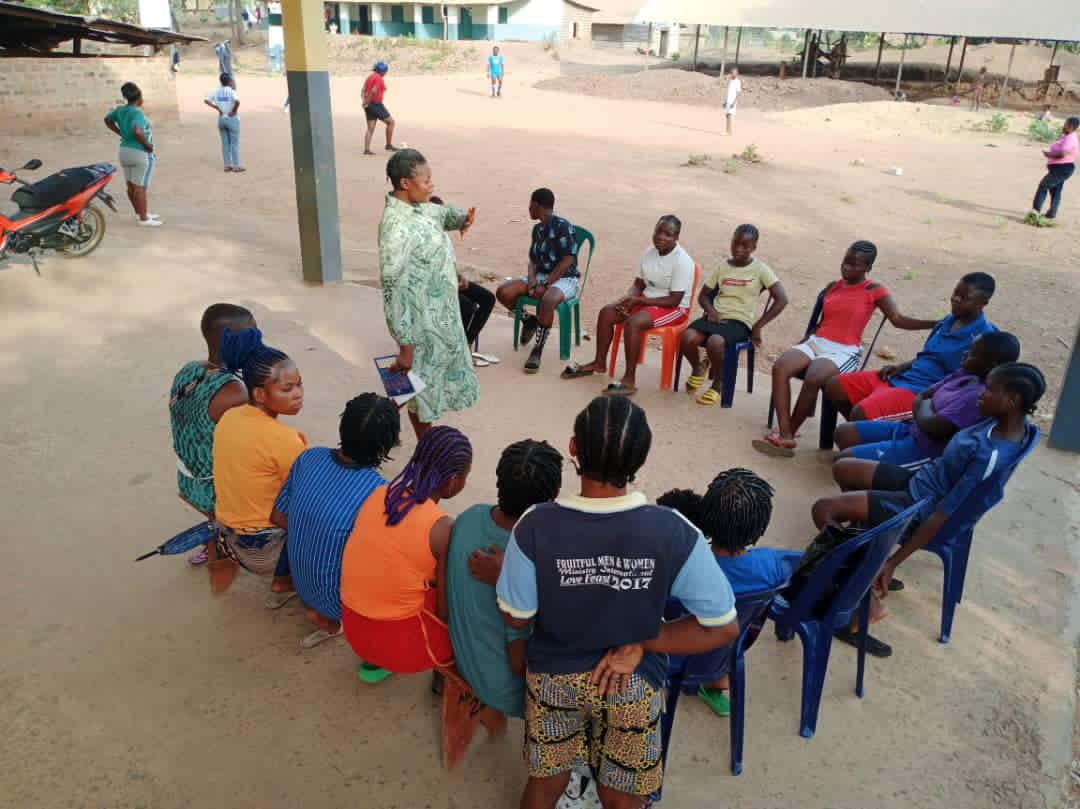
Healthy Minds, Healthy Mothers! MHM sensitization is key to supporting women and girls of reproductive age encapsulates a vital intersection between biological health, psychological well-being, and social justice. Menstrual Health and Hygiene (MHH) is no longer viewed merely as a matter of sanitation; it is a fundamental pillar of human rights and gender equality.
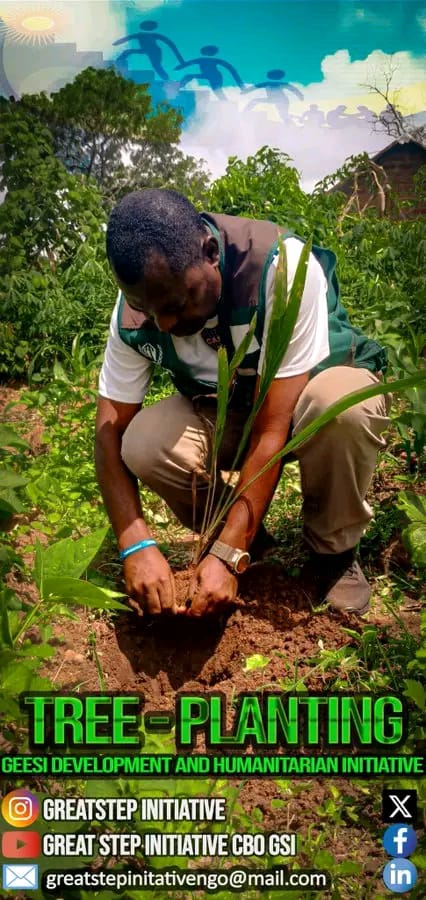
Tree planting is a vital environmental action that can significantly benefit both refugees and host communities. It not only contributes to ecological restoration but also fosters social cohesion, economic opportunities, and mental well-being. 🌴Cohere, UNHCR, the UN Refugee Agency.
The protection and well-being of children within refugee and host communities represent one of the most critical humanitarian imperatives in contemporary Nigeria. As conflict, environmental displacement, and Socio-economic instability continue to affect the Lake Chad Basin and the Middle Belt regions, the vulnerability of children—particularly those displaced from their homes—has reached the highest point that requires integrated, multi-sectoral intervention strategies. Child protection is not merely the absence of violence; it is the proactive creation of an environment where a child’s physical, psychological, and social development is guaranteed through legal frameworks, community vigilance, and institutional support